Tailor your own swim training plan
Adaptive Swimmer Sophie Etheridge shares guidance for listening to your body, being kind to yourself and honing your own swim training plan
There are numerous challenges when living with a chronic illness. I have recently realised that those challenges have helped prepare me for training for long distance swimming. That might sound odd but let me explain.
When I was first diagnosed with a chronic illness, one of the things I struggled with most was pacing.
I had always been a ‘wham, bam, done and thank you very much’ kind of person in that I always wanted to get everything done and hated sitting around doing nothing.
As a result, one of the most important things for me to learn when I developed chronic health issues was about the ‘boom and bust’ cycle (as shown in the image below).
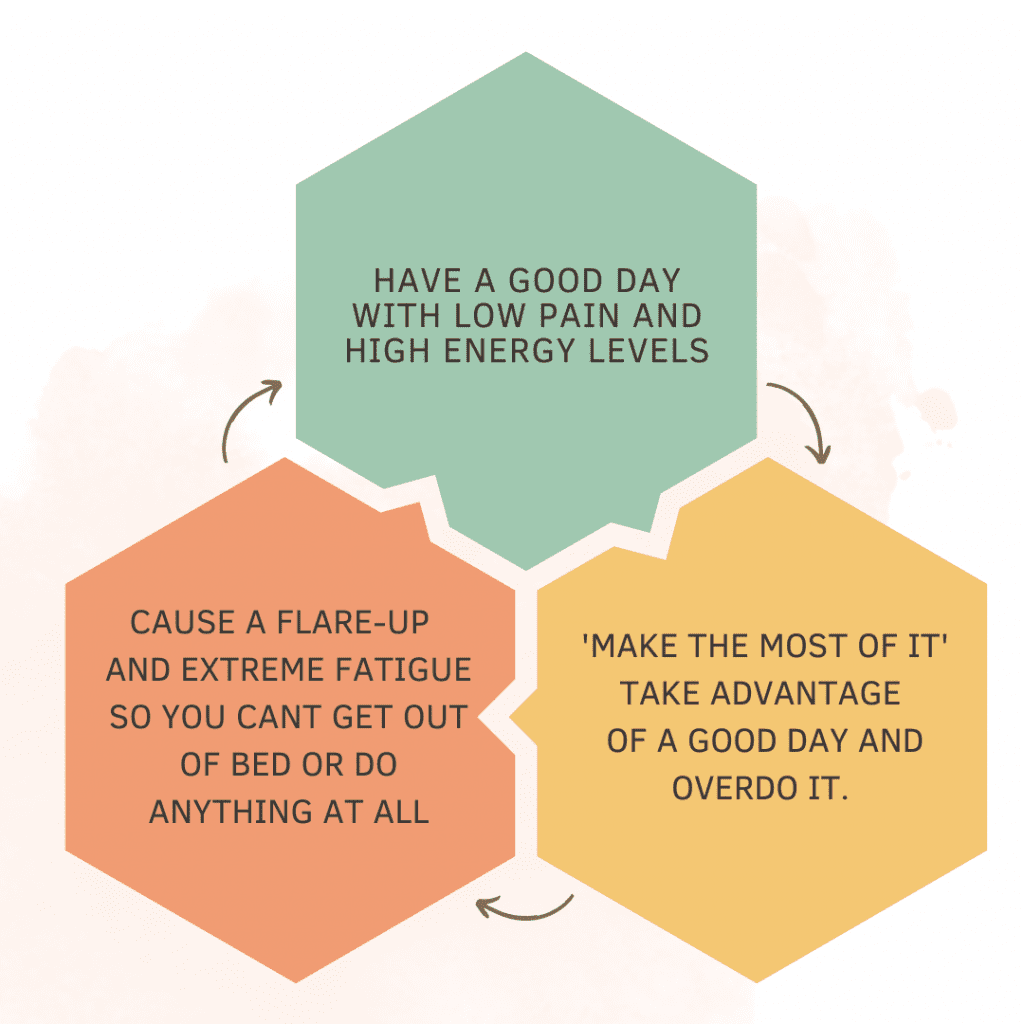
I quickly discovered that learning to pace myself was going to be key if I wanted to get any kind of normality back in my life. One of the main ways I learnt how to do this was through my swim training!
When starting out, I tried following a training programme that I found online, but I quickly realised that I couldn’t stick to it because it didn’t account for pain flare-ups or extreme fatigue.
As a result I got frustrated and found myself exhausted and in pain. It wasn’t until I consulted a swim coach that I realised I was going about things the wrong way.
Be kind to yourself
Firstly, I was told that I needed to be kinder to myself. I have always been far too hard on myself and expected morefrom me than I would of anyone else.
Secondly, I needed to remember the importance of rest and recovery.
Finally, I learnt regularly reflecting on what I had done would help me to identify and learn from my mistakes, meaning I could stop making as many mistakes!
Over the next few months, I logged EVERYTHING I did, from swimming to hoovering and even if I had a shower or not. I was then able to figure out how much energy I needed for diff erent kinds of swim training sessions. This meant I could work out what I could and couldn’t do each week, if I wanted to swim.
Allow flexibility
As a result of my findings I was able to figure out what needed to change in my training plan. The biggest thing was adding flexibility and realising it’s ok to be flexible. I have trained that way ever since!
Now each week I have a distance target that I can complete in one long swim or several shorter ones, ensuring not only that I have an achievable training goal, but also that I get rest when my body needs it.
So, looking ahead to your goals for this year, remember to be kind to yourself and tailor your training to you and your body!
This article is from the January 2023 issue of Outdoor Swimmer. Click here to subscribe to the print magazine.
Click here for more swim training advice.
To see all the online content from the January 2023 issue of Outdoor Swimmer, visit the 'Rest & Reflection' page.
Outdoor Swimmer
Outdoor Swimmer is the magazine for outdoor swimmers by outdoor swimmers. We write about fabulous wild swimming locations, amazing swim challenges, swim training advice and swimming gear reviews.