



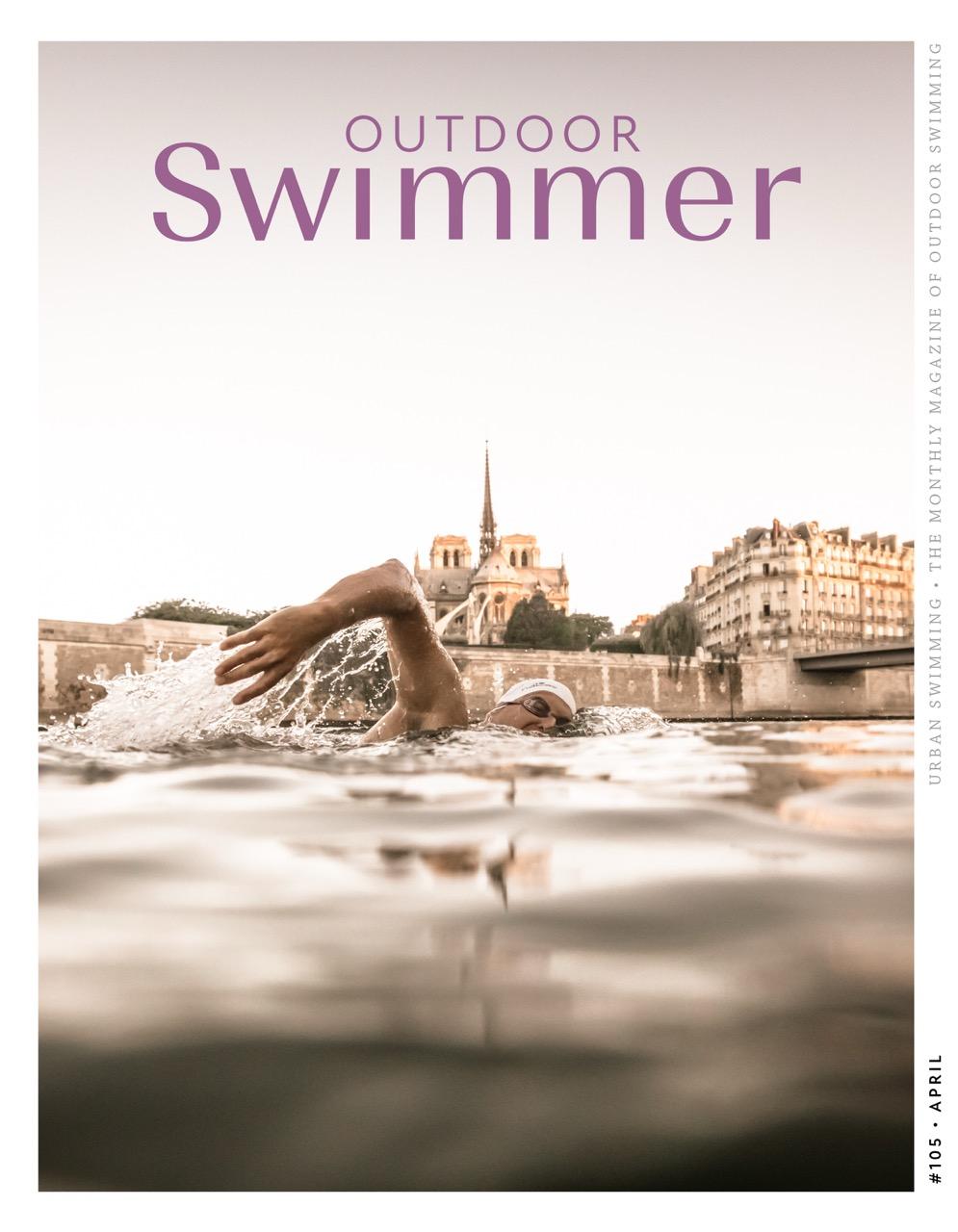
April 2026 ‘Urban Swimming’
Outdoor Swimmer Extra: Get the best of Outdoor Swimmer magazine online.
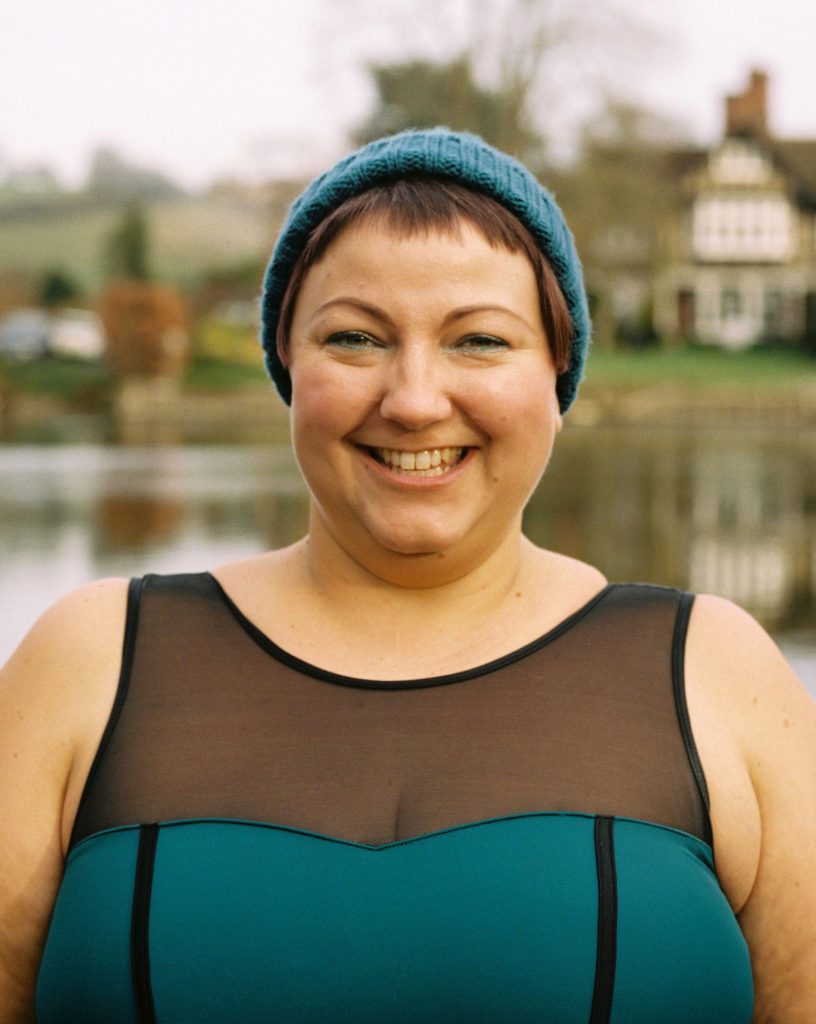
This month, we dive headfirst into urban swimming. Not the tiled and chlorinated kind, but the brave, buoyant act of seeking wild water in the middle of towns and cities. Across the globe, the Swimmable City movement is gathering pace. Communities are rolling up sleeves, testing water, clearing litter, building steps and ladders, persuading councils and municipalities that our rivers and docks can be more than scenery. If you make space for swimmers, people will come. They will come for their mental health, their leisure, for the sheer joy of swimming outside. And in doing so, they help local economies and become guardians of the blue corridors that thread through our streets.
Recently, I was part of a round table in Umeå, Sweden, where organisations are working together to make the river truly swimmable. The energy in the room was unmistakable. The barriers were not engineering or appetite, but old ideas about who water is for and what cities are allowed to be. It left me wondering how many other rivers are waiting, not for cleaning, but for permission.
As an inland swimmer, my own love affair with rivers began out of necessity. Living in a town, if I wanted open water, the River Thames was my only option. That first plunge was less romantic than determined, but it cracked something open. One river led to another, and suddenly the map of my life was traced in currents.
Inside this issue, you will also find reader swims including Helen Bishop’s three lake challenge, event reports from winter swimming in Oulu and Skellefteå, training, gear and coaching wisdom, interviews with author Gillian Best and Olympic swimmer Toby Robinson, and travel pieces spotlighting the River Thames and Fife. The water is closer than we think.
Ella Foote, Editor
Sign up or log in to read Outdoor Swimmer Extra.
Read the April 2026 issue in full in flipbook format
Read our Event Guide 2026
Existing print subscribers have free access to the digital edition of Outdoor Swimmer on PocketMags. This includes all the content from Outdoor Swimmer Extra. See here for access instructions.
- Alice Dearing: “My most intense urban swims”
 Bath-like temperatures, last lap currents and jellyfish: Alice Dearing shares her most intense urban swims
 - Lengthening your swims
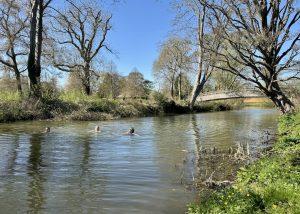 April is about lengthening your time in the water, lengthening your stroke and lengthening your attention span so you can stay present as conditions change around you, says editor Ella Foote
 - From health struggles to a life transformed by swimming
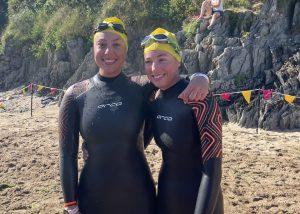 After years of chronic illness and recovery from brain surgery, Victoria discovered that swimming – both in the pool and outdoors – gave her strength, clarity, and a renewed sense of purpose
 - Strengthen your core in the pool
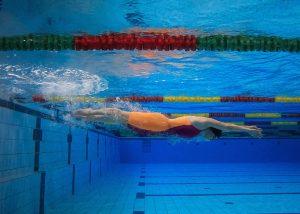 One of the most effective (and often overlooked) places to build a powerful, stable core is the swimming pool, says swim coach Nicola Butler
 - Swim away the pain
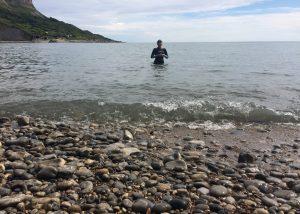 Can cold water help with chronic pain? Rowan Clarke asks philanthropy writer, author and swimmer, Gillian Best
 - Weekend swim retreat: Lime Cross Nursery, East Sussex
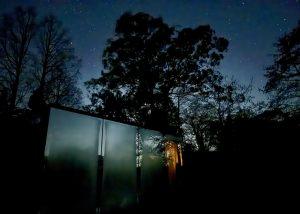 Weekend escapes with a swimming opportunity – Ella Foote shares her experience of the ÖÖD House at Lime Cross Nursery East Sussex is an easy win for a weekend of swimming and outdoor exploring. As the days stretch and the water begins to soften from its winter lows, the county offers a compact mix of coast, countryside and characterful towns with outdoor pools, all within a short drive of one another. For swimmers, walkers and anyone happiest outside, it is a landscape that delivers variety without the need for long journeys between adventures. Staying at Lime Cross near Herstmonceux places you in the heart of some of the South Coast’s most rewarding swim spots. The chalk cliffs of Seven Sisters and the sweeping headland at Beachy Head offer invigorating sea swims alongside classic clifftop walks. For more sheltered dips, the beaches around Eastbourne provide straightforward access and facilities, while lidos like Saltdean, Pells Pool and Sea Lanes offer swimming whatever the weather. Inland, the rolling routes of the South Downs Way are ideal for pairing a hike or run with a swim, while historic Lewes offers independent shops and cafés for refuelling between outings. With sea, hills and market towns all within reach, a spring stay here makes it simple to shape a weekend around cold water, fresh air and good food. The accommodation Lime Cross Nursery has a fantastic history and family story. Today it is run by the third generation, Vicky and Helen Tate. Their grandparents moved from London to Sussex in the early 1940s and attempted to make a living from the land known today as Lime Cross Nursery. They attempted pig rearing and tobacco farming but eventually had a successful cut-flower production. In the 1970s their son, Jonathan, joined the business transforming the nursery from flower production to container grown conifers, trees and shrubs. Jonathan quickly became an expert and was a co-founding member of The British Conifer Society, discovering conifers and rescuing others from extinction. When his daughter, Vicky, joined the business they extended the business to a garden centre, shop and café. Sadly, Jonathan died young at 63 after becoming ill with cancer and it was during this time Helen, Vicky’s sister, joined the business. Following the family attitude to expand and evolve, the sisters have been keen to keep the nursery a dynamic and inspirational place to visit. In recent years they have developed to offer events, wild swimming, retreats, wine making and three accommodation options all within a few steps to the swimming pond. We stayed in the stunning ÖÖD House, located right on the lake where two people can sleep in a super stylish, mirrored glass cabin. The ÖÖD House has similar qualities to a luxury hotel room but right in the middle of nature. Each morning the local heron would visit, almost close enough to touch! The swimming This is a swimmer’s dream location to wake up. After sleeping in the cosy ÖÖD House, you can flick a switch for the black-out blinds to reveal the water within an arm’s reach. You can lazily observe the water and wildlife from the comfort of the bed, or you can slip outside and in a few steps plunge into the lake and be immersed in the landscape. Adjacent to the glass home is a wood-fired hot tub where you can warm up after your swim. It was cold, gloomy and damp when we stayed, but it didn’t matter. The huge rain-shower wet room and bath robes are waiting inside even if outside is wild. There are nearby sea swim locations, lidos and river spots, but from the moment we arrived we didn’t want to leave. We spent most of our time in the lake, hot tub or curled up inside, just watching the pond life reveal itself. We were also lucky enough to try out the new Secret Spa with its hot tub, Finnish sauna and access to the lake, which is available to book separately as an experience or included if you stay. The food The ÖÖD House is equipped with simple kitchen essentials, like an induction hob, coffee machine, kettle and toaster as well as outdoor gas BBQ. We happily made breakfast and light suppers using what was available. Within walking distance there are local pubs and a local Indian restaurant, which is highly recommended. Best of the rest Lime Cross Nursery has several different events throughout the year from yoga, forest bathing and retreats to more hands-on classes like wreath-making or wine education. Our fave thing Waking up being immersed in nature while still being in bed.
 - Three lakes, one swim: solo swimming across the UK
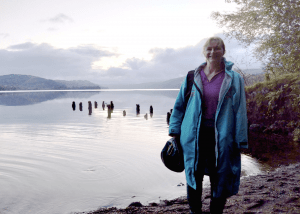 Helen Hislop shares her 59.9km odyssey through Scotland, England, and Wales, revealing the preparation, endurance and awe-inspiring beauty behind her record-breaking Three Lakes UK Challenge The Three Lakes Challenge comprises swimming the three longest lakes in each nation of mainland UK consecutively: Loch Awe in Scotland, Windermere in England and Llyn Tegid (Bala Lake) in Wales. The total distance is 59.9km (37.3 mi). The air is crisp, and the sun has only just risen above the hills leaving the pale blue sky tinged with pink. I’m in Scotland on the shore of Loch Awe; the water is still and calm reflecting the surrounding mountains; it is both beautiful and foreboding. I have a huge task ahead of me, a challenge that took two years of meticulous planning and training. My heart is pounding and my body is taut in anticipation of what’s ahead but I know it will be fine once I get in. Loch Awe is the lynchpin of the whole challenge at 38km; get that right and the rest should follow, Windermere at 17km and finally Llyn Tegid at 4.8km. The previous day we visited Kilchurn Castle to view the swim’s end point. A local lady told me how cold, treacherous and even fatal Loch Awe can be – she was shocked to hear I would be swimming solo without a wetsuit! She was far happier once I explained I was experienced, trained and would have a guide boat. This loch can be cold; it was 12–13ºC when I completed the Qswim relay last September and as low as 10ºC in summer. Preparation was key; hypothermia stopped two of my swims the previous year, so I focused on acclimatisation. I did long training swims, land work, pool swims and mental preparation. I changed my nutrition. I trained the best I could with what I had available, fitting around family and work. Dave Quartermain, founder of Uswim suggested this challenge in 2023. I’d successfully completed the triple crown of Coniston, Ullswater and Windermere consecutively in 10 h been done as a relay but not as a solo, Loch Awe had thwarted some very strong and accomplished swimmers with her dark and frigid waters, but I felt I could do it. This swim felt accessible both financially and geographically. It showcased the stunning scenery of the British Isles at the same time as being a pioneering test of endurance. In September 2024, I sat down with Karen Quartermain, Founder of Qswim Adventure, and Dave and discussed the logistics. I sent my proposal to BLDSA and contacted the Marathon Swimming Federation to coordinate the ratification process. Finally, I approached the Guinness Book of Records. Early in the season, I successfully completed the Dál Riata Channel in Northern Ireland, a back-to-back 2-way Windermere and double Wastwater. Then suddenly, we’re in September, and I’m in the little RIB going over to Torran Bay jetty to start my swim. The water is fresh at 15ºC; it takes a moment to catch my breath. I swim over to the jetty and wait for the signal, stop watches ready, three, two, one go! I study the boat and the crew, in rain gear with flasks and sandwiches, and I concentrate on my stroke and the spectacular surroundings. About 90 mins in Tom Jones’ Delilah worms its way into my head and it resides there unbidden on a perpetual loop. Maybe it’s my subconscious asking, why are you doing this? Because I can! I feel strong, fast and at peace when I swim. I like pushing myself whilst enjoying the privilege of swimming in beautiful places. I’m feeding every 30 mins on a rotation of Maltodextrin, Voom and Precision fuel. All liquid, warm and in a bottle on the end of a rope. I’m told I’m doing well but I just nod, gulp and go. I recognise some of the scenery; Innes Chonnel Castle, Portsonachan Hotel, the electricity pylons and inlet where the hydroelectric power station is. The skies darken. The rain is torrential, hard-hitting, stinging my skin, the landscape struggles to remain visible within the clouds, and then it’s gone, the sun returns and creates an incredible rainbow. Heavy rain strikes again and at the next feed Karen tells me we will be landing at Kilchurn Castle, the bridge finish is too dangerous. I look up and the ruins are visible through the mist. I swim past the castle and towards a condemned jetty. My fingers scrape the mud on the bottom and I’m running out of water. I stand up… 9 hours 58 mins. I’m elated; this exceeds expectations. The drive to Windermere is long. I have a mask, blanket and pillow but I’m all scrunched up, so I don’t sleep much, maybe an hour. We arrived at Fell Foot, Newby Bridge, after ten. I faff about a bit and can’t find my lights – but I have a spare that I attach to my goggles and a glow stick nestled within the straps of my cossie. At 11:11pm I walk through the stone arch, rocks sharp against my feet as I launch into the water to start my second swim. It’s a lot warmer than in Scotland – 17ºC. It’s a calm night and the stars are visible. The busy lake is silent and eerie as I swim past moored boats. A green guardian light on the stern of the RIB guides me but I struggle to see the silhouettes of my crew. I follow the light like a moth. I’ve swum Windermere several times, my shoulders don’t ache too much, and I feel better than I thought I would. Before long I pass Storrs and then the chain ferry. Navigating around the islands is tricky as it’s shallow. In the past, I have swum into the string of marker buoys in daylight, so I need to be especially careful when tired and in the dark. Coming out of The Lillies and into the main bay, the boat and its occupants are finally visible with lights of Ambleside in the distance signalling the end. I feed every hour, it’s easier in the dark, yet I fumble catching the bottle, it sinks and gets lost before being retrieved and thrown again. I think we’re all starting to flag, but I plod on and try to pick up my pace. Iain and Karen are wearing head torches, standing between the two jetties at Waterhead that signal my exit. My hands touch stones and I clamber up and hobble across the pebbles to the shore. It’s taken 5 hours and 2 mins to swim 10 and a half miles – I’m pleased with that! Just one swim to go. It’s another long drive to Wales. It’s still dark and sleep should be easy, but my brain is racing and going over all that has happened. I get a little fractured rest but it’s not restorative. Iain has been fantastic but is weary too, so we stop a few times for safety. The 2nd of September is a beautiful morning bringing sunshine and blue skies to the Glanllyn Caravan Camping Park at the far end of Llyn Tegid. The final swim is relatively short, but the challenge is not over until it is complete. I wade into the water, wincing at the sharp stones, and swim to the jetty. It’s 10am. Three, two, one and off we go for the final time. My shoulders feel a bit stiff and achy but are soothed by the cool water of 16ºC. The mood is buoyant, sky slightly overcast but I know I will complete the challenge. The white water sport centre marks the end, it’s tantalisingly close yet too far away. Finally, I pass the jetty and run out of water. It’s 10:29am, I stand up and get a little cheer! One hour 29 mins. I’ve done it! Three of Britain’s longest lakes, swimming for 16 hours and 30 mins and taking 27 hours and 44 minutes to complete. Incredible! I could not have done this without the support of my husband Iain, Dave and Karen Quartermain and Dave Smith. What a wonderful, fantastic crew. The messages of support on social media from my local swim community, Qswim Adventure and everyone following were humbling. So many people have told me they dot watched the whole thing, which has been amazing. As a dyslexic, the paperwork was an extremely difficult task but in December 2025, BLDSA ratified my Three Lake swim and in January, it was recognised as a Guinness World Record. The Marathon Swimming Federation is currently pending ratification.
 - Still looking for a swim challenge to motivate your training this year?
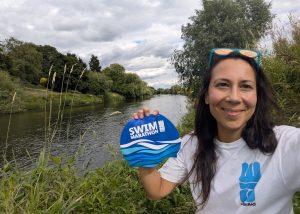 Here are two events to choose from that can transform your swimming into positive action helping make sure millions of people access clean water
 - Event Review: Winter Swimming World Championships, Oulu, Finland
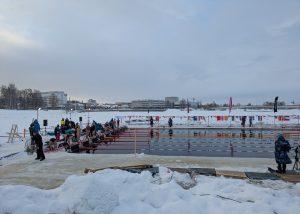 Ice, sauna and auroras – Rowan Clarke discovers the wonders of racing in the ice in Finland
 - Event Review: Winter Swimming World Cup, Skellefteå, Sweden
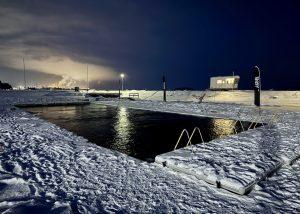 Ella Foote travels to Northern Sweden to take part in the Winter Swimming World Cup in Skellefteå and learns that swimmer’s creativity and eccentricity continues despite the freezing conditions
 - Sea of change
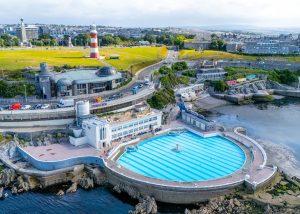 Rowan Clarke hears from the city lido connecting young people with the water
 - It’s never too early to start
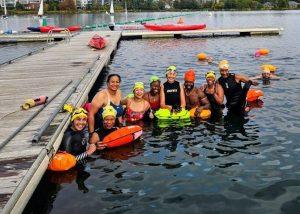 Dr Hussain Al-Zubaidi reveals how early positive experiences with movement and outdoor environments can shape habits that last a lifetime
 - Myth busting: is cold water immersion bad for women?
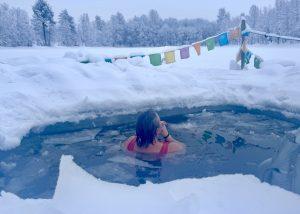 Recently there have been suggestions across social media about how cold water immersion is “bad for women”. It sounds authoritative, but it’s not supported by evidence, says Dr Heather Massey
 - Alice Dearing interviews Toby Robinson
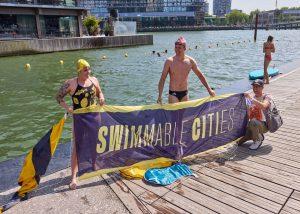 Alice Dearing sits down with Paris 2024 marathon swimmer Toby Robinson to speak about the work he is doing to make swimming in urban waterways in London a reality and a right
 - Is urban swiming really more accessible than wild swimming?
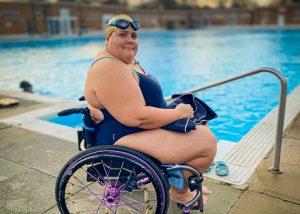 Adaptive swimmer Sophie Etheridge shares the surprising obstacles she encounters in purpose-built urban pools
 - City dippers
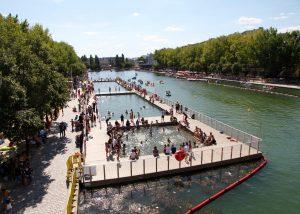 Why is city swimming important? Rowan Clarke finds out
 - Claiming access to swimming may be easier in cities
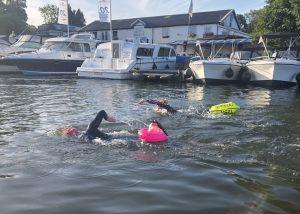 Urban waterways can be places we cherish, celebrate and care for, says Simon Griffiths


