


City dippers
Why is city swimming important? Rowan Clarke finds out
Carving through clear, brackish water between high rise buildings is unexpectedly thrilling. Not like oceanswimming thrilling, but there’s something about the cityscape, the alternative viewpoint, being removed from the hustle, and the juxtaposition of cool, natural water in the middle of a concrete jungle.
But urban swimming is much more than a thrill. Cities with their dense populations and high levels of deprivation are especially vulnerable to social, cultural and environmental inequality. In many cities, access to blue spaces is more restricted than anywhere else, but changing that is becoming increasingly urgent So, can we normalise city dipping? Can we make it safe and accessible to all – and why is it so important that we do?
Out of the river
With the exception of coastal cities and forward-thinking cities like Copenhagen, Zurich and Amsterdam, most cities restrict free access to their waterways. Many, like Bristol, London and Liverpool, have privately-managed swim spots, which have to charge an entrance fee or membership to support them to operate.
But it was once perfectly normal to swim freely in city rivers, docks and canals. In her PhD, A social and cultural history of swimming in Glasgow, 1850 to 1950, Lucy Janes explains the central role the rivers Clyde and Kelvin were to Glaswegians for practical and social reasons.
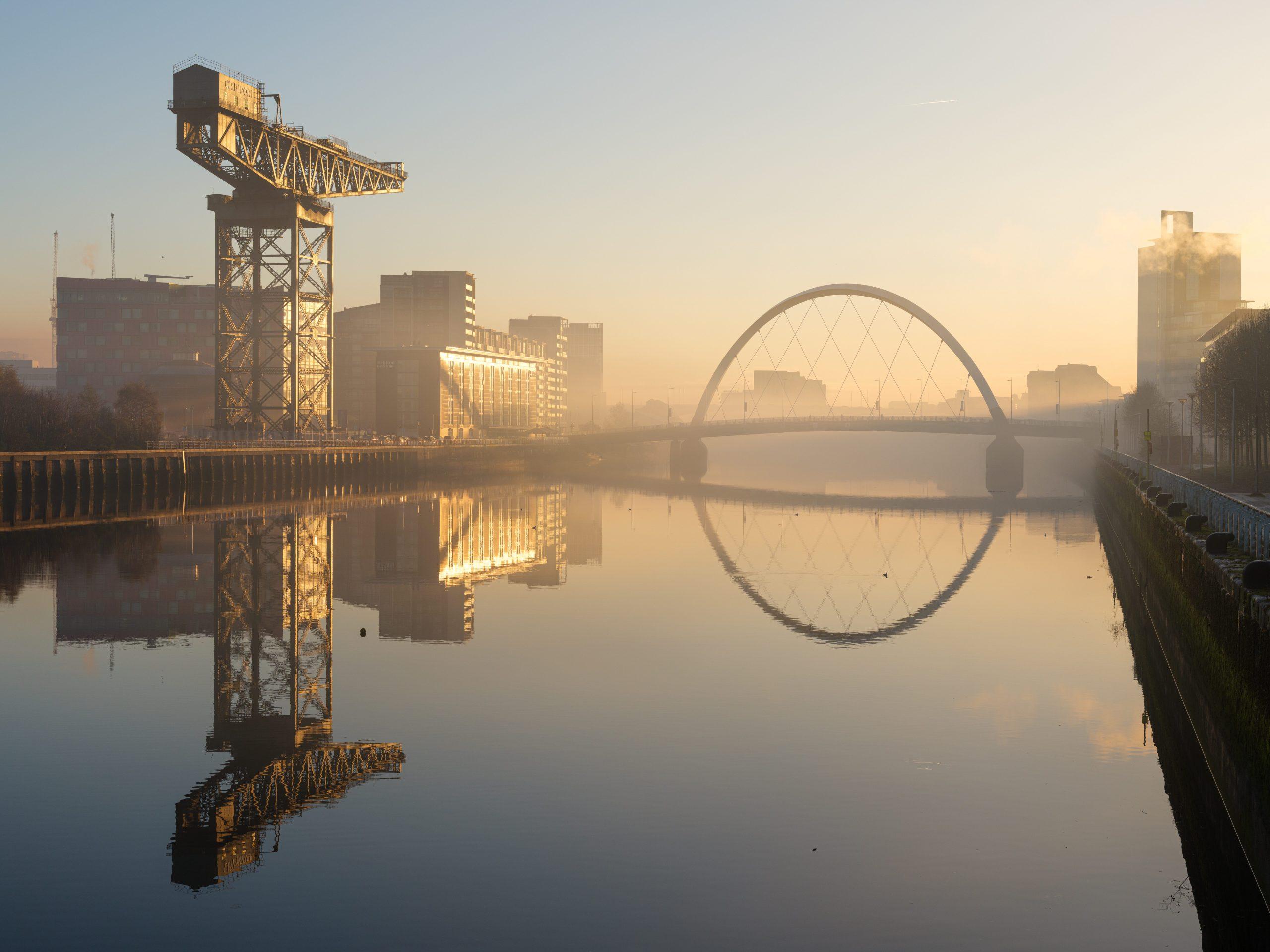
“Both rivers were used for bathing for refreshment and cleanliness – basically a free bath – and for swimming for exercise and fun,” says Lucy. “Newspaper reports [of the time] frequently refer to swimming as a ‘healthful recreation’, so I think there was a belief that it was a pleasant and beneficial exercise, especially for city dwellers who were denied the fresh air and space of the countryside.”
But, as time went on, Victorian morality and industrialisation changed the face of city swimming. In Glasgow, as in many cities, byelaws introduced restrictions to outdoor swimming, and cheaper public baths were gradually introduced for working class residents to use instead of the open water.
“The polluted condition of the Clyde and other waterways, and the dangers of the open waters, meant that there was a demand for managed swimming spaces,” explains Lucy. “As the city grew in population size, and with increasing concerns about morality in Victorian cities, there were new restrictions on where and when people could go into the rivers and open waterways.”
Swimmable cities
As in Glasgow, cities introduced byelaws restricting or banning outdoor swimming. Fearful of illness or injury from swimming in polluted, busy waterways, local councils remain risk-averse, upholding outright swimming bans and rendering urban waterways off-limits.
But, are swimming bans the answer to protecting public health? While campaigners acknowledge the dangers of city rivers, canals and docks, and don’t ask for unfettered access, they argue that the benefits of opening up bathing areas far outweigh the risks.
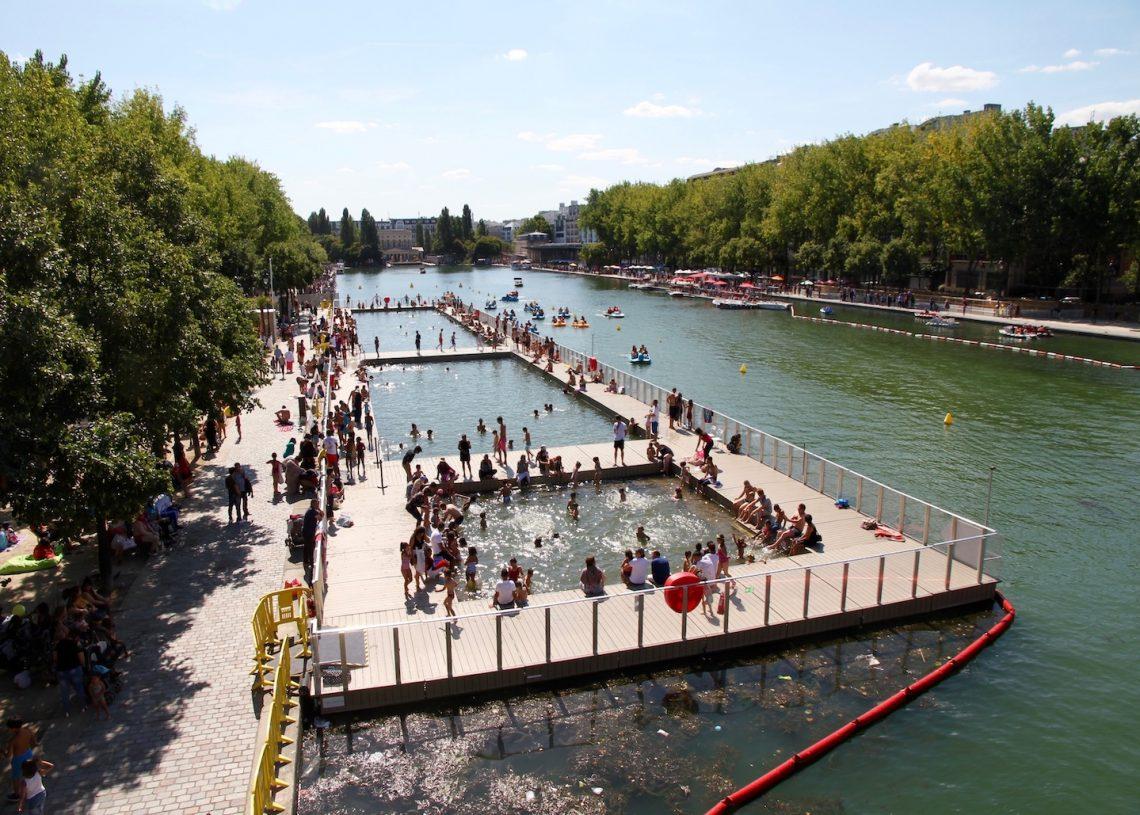
If you need support for this argument, look at Paris. Following the €1.4bn cleanup of the River Seine for the 2024 Olympic Games, the French capital opened three designated areas for public swimming, triumphantly overturning a century-long ban to allow its residents to cool off in the river overlooked by the Eiffel Tower.
Just before the Paris Olympics came the launch of international grassroot initiative, Swimmable Cities. Founded on the Right to Swim principle, it aims to make urban waterways swimmable, highlighting their role in the liveability of cities and communities, their expression of urban life, culture and heritage, and the health of the natural world.
Among Swimmable Cities’ 212 signatories across 109 cities and towns, and 36 countries worldwide, are Jude Barber and Louise Welch, proponents of Glasgow’s campaign to reinstate swimming in the Clyde.
“I lived in Paris 30 years ago, and the idea of swimming in the Seine would be unthinkable,” Jude Barber told journalist and outdoor swimmer Ingvild Paulsen in her article in The Bell. “I have seen how other cities engage with their rivers and the benefits it can bring. I would love the same for Glasgow.”
Another signatory is endurance swimmer and artist, Katie Pumphrey from Baltimore in Maryland, USA. Like Paris, Baltimore has achieved a significant clean up, turning its inner harbour from reputedly toxic to swimmable. “The Waterfront Partnership is the steward of the waterfront through much of Baltimore City,” says Katie. “For the last 20 years, especially the last decade or so, they’ve been working towards making our harbour and the Patapsco River swimmable and fishable.”
Cleaner cities
Water quality is central to the arguments around urban swimming. As Lucy Janes’ PhD research shows, industrialisation and subsequent pollution is what ultimately curtailed city swimming in the 19th century. So, it follows that significant clean-ups like those in Paris and Baltimore, monitoring and understanding water quality, education and infrastructure are needed to make cities swimmable again.
“Water quality is a top priority for urban open water swimming,” says Paul, General Manager at NOWCA, which guides venues on interpreting official water quality reports and understanding safe swimming thresholds. “We work closely with local authorities and community committees to help improve water conditions for swimmers and the wider public.”
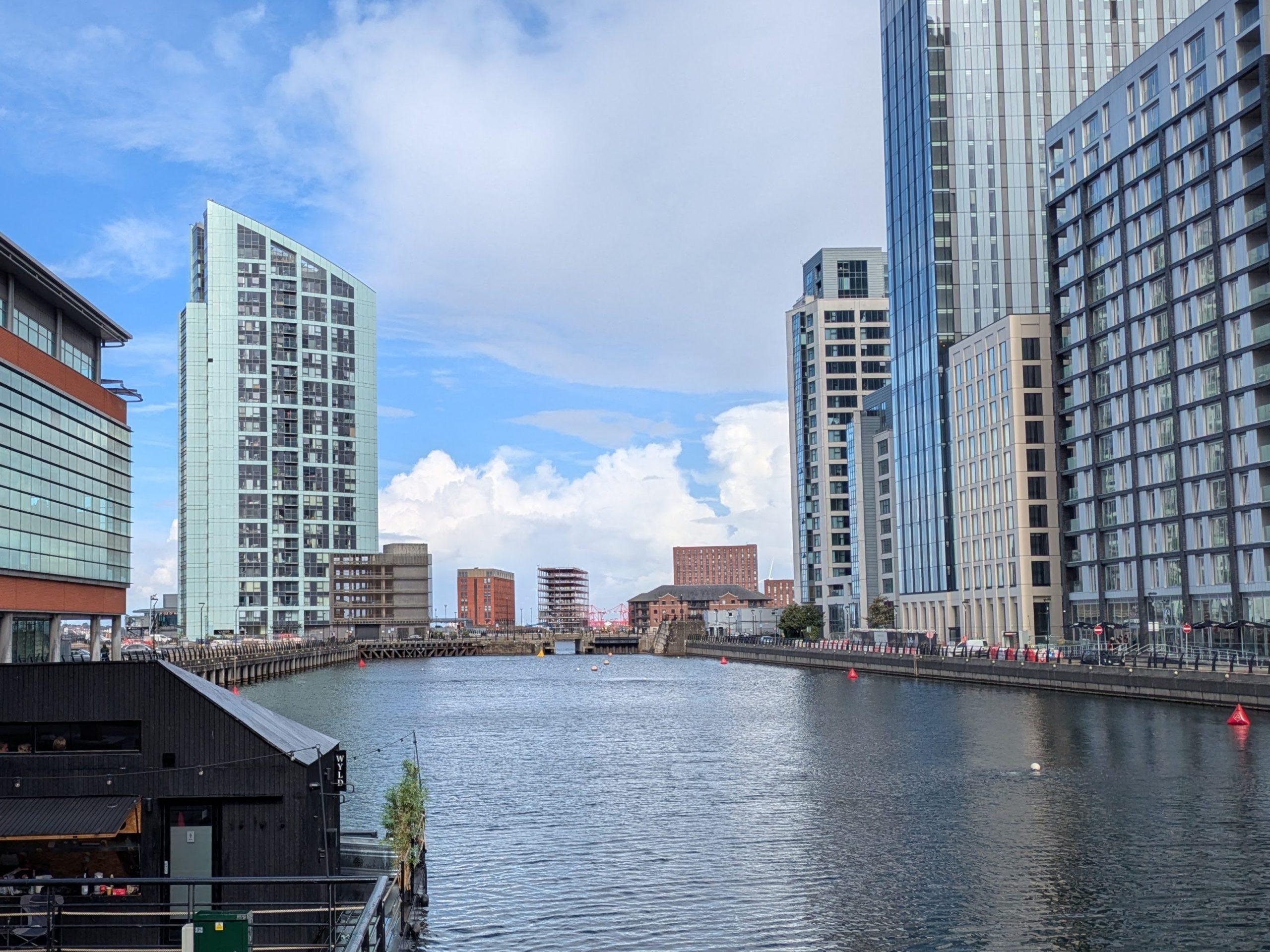
Organisations, councils, water companies, businesses, industry and governments are key to improving water quality and infrastructure. But, when it comes to effecting change, people power should never be underestimated. Local campaigners, swimming groups, citizen scientists and volunteers are always the driving force behind these projects – and, it seems, they also have been.
“In the 1830s, there were springboards at a spot called Dominie’s Hole at Flesher’s Haugh in Glasgow Green. I’m not yet sure when these were installed, but in 1834, the council was petitioned by the bathers who used them to make repairs,” says Lucy Janes. “The council agreed to replace two boards which were missing with new ones, repair wooden steps and stone paving that helped people to enter and exit the water, install three benches, and plant grass seed on the riverbanks.”
Springboards might be a stretch for contemporary councils, but this sounds like it could be a current campaign. It also highlights the unchanging passion of people who love their local swim spots – something we see across cities like Bristol, London and Glasgow, and in organisations like Swimmable Cities and NOWCA that harness people power.
“The NOWCA Wild app is helping by collating swim data, which can be used to identify areas for improvement and prioritise bathing status,” says Paul from NOWCA. “Every swim logged by members contributes to cleaner, safer waters for everyone,” says Paul.
Better for all
Grassroots campaigners aren’t just focused on cleaning up pollution and improving infrastructure. There’s also a significant drive for inclusive access to city swimming. This argument is often dismissed by rightwing media as ‘woke’ or performative, an activity for the ‘metropolitan liberal elite’ who enjoy ‘nature-based therapy’ and ‘anti-consumerist’ lifestyles while living in affluent urban bubbles, but it’s becoming increasingly important.
There is a vast inequity in access to swimming, which is more apparent in cities than anywhere else. Managed venues come with entry and membership fees, and cities have seen a vast decline in public swimming pools – more than 200 pools have closed since 2020, the majority in deprived, urban areas.
“Access to water in cities is one of the most overlooked inequalities in sport,” says Michael Chapman, co-founder of Soul Cap. “Swimming pools in urban areas are underfunded, closing or priced out of reach for the communities that need them most. Meanwhile, drowning disproportionately affects those that have traditionally been underserved, and that’s directly linked to access. When you don’t grow up near water or can’t afford lessons, the gap never closes. Cities should be leading on this.”
This lack of places to swim not only negatively effects people’s safety, health and wellbeing, but it also removes essential community hubs and impacts health services. “I need to swim because it is an essential part of who I am and I’d go as far to say that it has kept me afloat in very difficult life circumstances. I do not think I am the only one who feels this way,” says Abigail Black, Trustee of Swim Proud, Soul Cap Foundation. “We all swim for different reasons: community catch ups, physical and mental health and every individual’s reason for swimming is valid and important. It’s crucial we maintain accessibility to pools for all sections of society to reduce the pressures on other struggling services such as the NHS and mental health support services.”
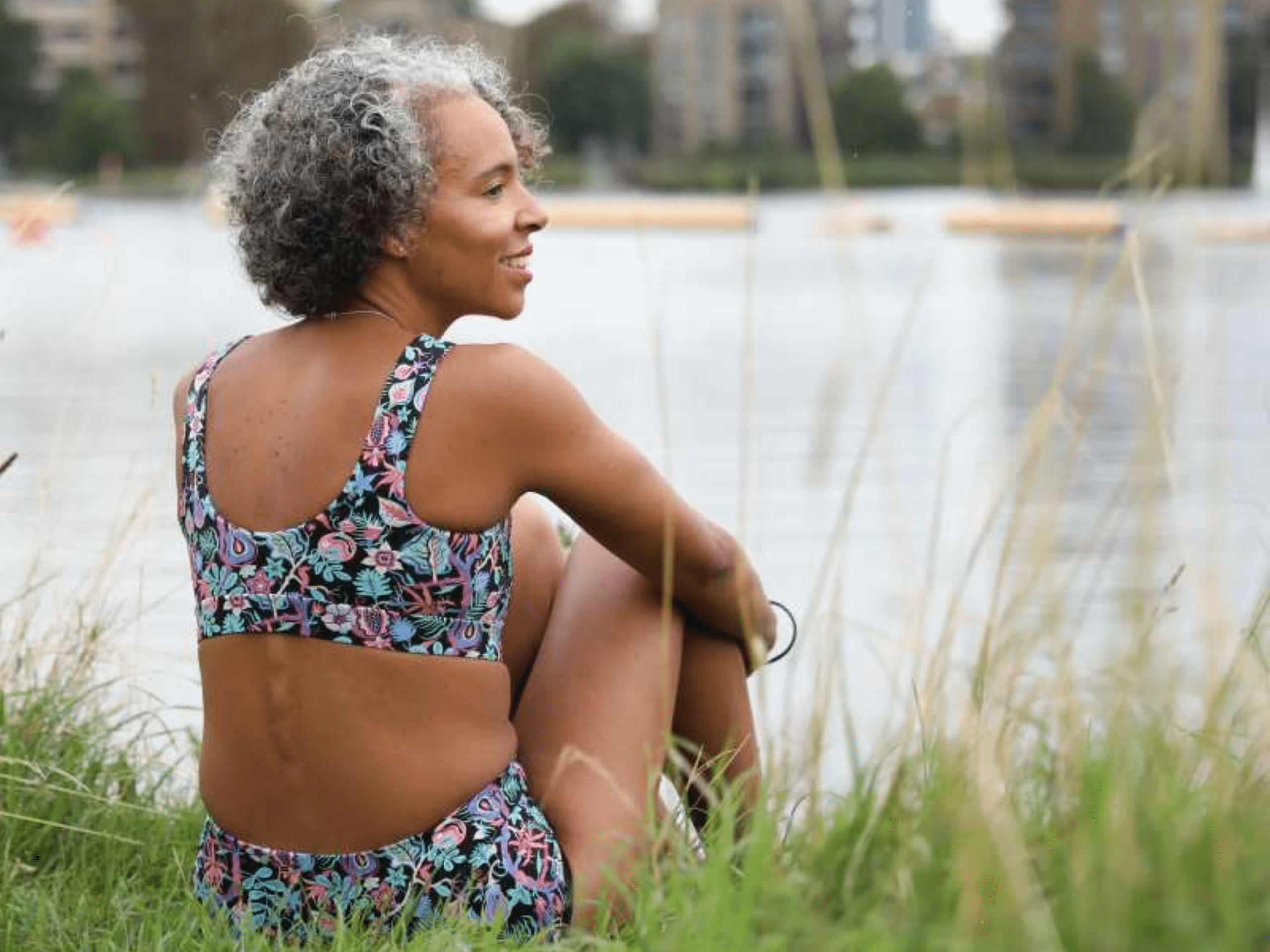
Chris Romer-Lee, founder of Swimmable Cities, agrees. He believes that blue spaces should be as easy to access as parks, and that cities have the chance to redress the closure of swimming pools. “Newham Council falls below the London Borough recommendation for the number of pools, and we’ve got a chance to change that with one of the largest bodies of water in the centre of London,” he says. “We’ve got to change perceptions of swimming in natural water as well.”
For some, certainly for councils and governments, changing perceptions comes from installing infrastructure that looks after people’s health and safety in the water. “For urban swimming to be truly accessible, safety and good management are essential,” explains Paul from NOWCA. “Clear entry points, guidance for swimmers, and systems that help monitor activity in the water all play an important role in making these spaces welcoming and responsible places to swim.”
So, while the ultimate vision is for free access as in cities like Amsterdam and Copenhagen, managed urban swimming spots like those in Liverpool, Bristol and London could help change attitudes and trust city waterways. They could help more people become engaged with their local rivers, canals and docks, leading to more grassroots campaigning. But can this turn the tide on free, ‘wild’ urban swimming?
We hope so, because it’s essential. Around the world, governments looking for ways to adapt to rising temperatures are identifying blue spaces where people can cool off in extreme heat. As one of Europe’s most densely-populated cities, for example, Paris is preparing for summer heatwaves to reach 50°C, and so the Seine’s bathing spots are key to its strategy.
“At Swimmable Cities, we’re always talking about resilient cities, climate adapting cities,” says Chris. “As climate change really bites, and we’re seeing that every summer, we’re seeing higher temperatures, more misery, people dying from heat related illnesses etc, therefore we need access to blue spaces to cool down.”
This feels about as far from a woke agenda as it’s possible to get. Having swimmable cities isn’t just about enjoying nice benefits, it’s about survival – of our waterways, of nature, and of human beings.
We built cities along waterways because we needed them then, and we still need them now – and we need them to be clean, safe and accessible for all. It used to be perfectly normal for us to paddle, swim, play and cool down in them, and shouldn’t now be a thrill or novelty. As our world continues to change, it’s clear that we must normalise urban swimming once again.