
No comparisons
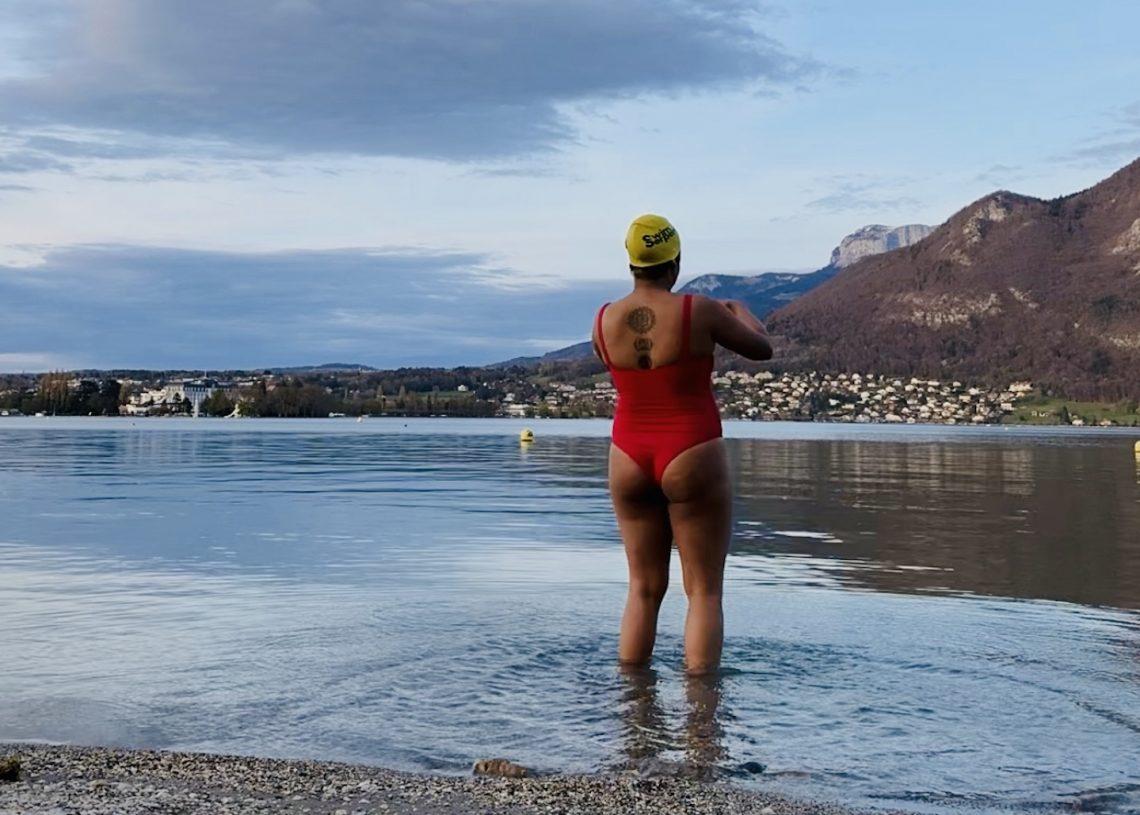
While Jharna Kumawat’s love of cold water swimming grew organically, her swim development only really began after her Channel relay swim
Hello and a crisp welcome to October! If you are anything like me, then you are still hoping for warm sunny spells whilst getting changed post an outdoor swim. It’s not long before the clocks go back and we begin the winter swim season. If this is your first winter and you are slightly apprehensive venturing into the cold water, then remember ‘winter miles are summer smiles’. Don’t be startled by the miles, as it all adds up and your clever body builds up the resilience to cold water.
I still remember my first winter of signing up to the Penguin Challenge (in 2020), preparing for weekly dips, meeting swim friends (within the COVID19 guidelines, a distant memory but I recall those restrictions), gathering the courage to dip (dunk your head) in freezing water temperatures and extended post swim chit chats. At the time, I did not have any swim development goals i.e. to train for a summer event or do x number of miles/kms per week. Like many things in my life, swimming developed organically, but the love for exploring the great outdoors and water bodies was inherent.
Fast forward to the summer of 2022, I was preparing for the English Channel (EC) Relay and raising money for Swim Tayka, a charity that provides free swimming lessons to underprivileged children in coastal areas of South America, Asia and Africa.
During my EC swim training camps, I met some amazing solo Channel swimmers, and had the opportunity to swim alongside them and other talented swimmers. It soon became my priority to develop my swim technique further. Just to add, I can struggle with taking feedback on board. In my head, my stroke ‘looks’ effortless, body oh so streamline, but following a swim technique video analysis my bubble burst. It was then that I recognised how technical one’s stroke analysis can get. But I wasn’t in there to win an Olympic medal; I simply wanted to get better and ace my qualifying EC swim – an officially observed swim in water temperature no more than 15 degrees, where you swim for 90 mins, rest for 60 mins then swim again for 60 mins.
On 4 August 2022, my team and I completed our EC crossing. It took us over 14 hours – a swim to remember and a story for another day. I’m certain that my swim development began following my EC relay swim. Not because I wasn’t the fastest in my team, as speed was never my focus. I knew speed would come with good technique.
The months following the relay swim, I spent time each week focusing on individual aspects of swim technique (pull, catch, kick or stroke efficiency). I was shameless in asking favours of swim friends to video my swim. I was happy to see little improvements with each swim session. I started to observe fellow swimmers and see what I could learn and implement in my stroke.
Honestly, there are times when I over analyse my stroke, especially during the winter when I spend more time swimming in indoor pools. But that’s when I remind myself, of how far I have come, from swimming without a goal to now swimming with a purpose, raising awareness about my long-term condition Type1 diabetes, raising money for different charities and being a part of the amazing open water swim community.
One key takeout from my swim development journey so far is to be aware of my own mental and physical strengths. I try not to compare myself with the person in the faster lane as it takes the joy away.

Outdoor Swimmer
Outdoor Swimmer is the magazine for outdoor swimmers by outdoor swimmers. We write about fabulous wild swimming locations, amazing swim challenges, swim training advice and swimming gear reviews.