
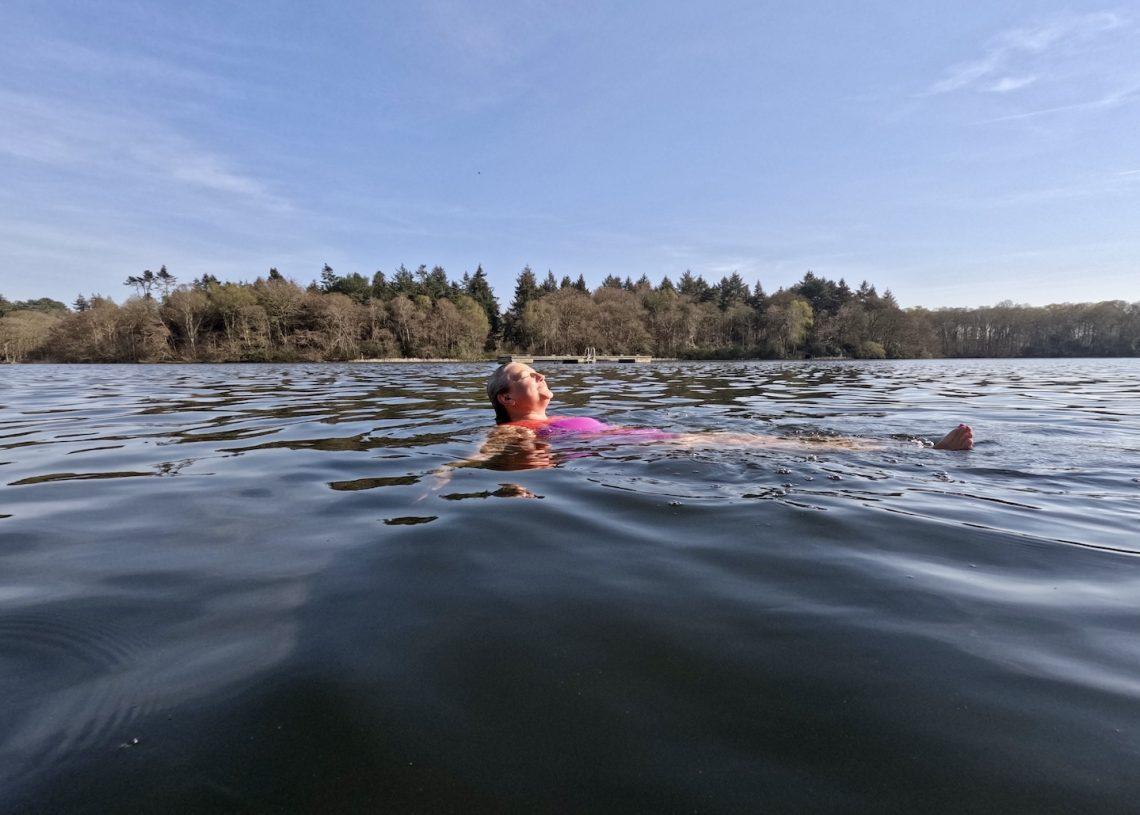
Spring clean
EXTRA,  FEATURES,  March 2026,  Premium

Spring clean the body

This month, editor Ella advises how to prepare for the season ahead with a mind and body spring clean

Spring cleaning is an ancient tradition that spans across many different cultures, but the underlying theme is the same for us all – it is about preparing for new beginnings and celebrating the seasonal change. For us in the Northern Hemisphere, March is seen as the fresh start and a time to clear out, organise and clean our spaces. But what about our minds and bodies? If you, like me, don’t swim as often or as long in winter you might be feeling a bit sluggish and need to reintroduce healthy routine and habits.

While we could see a spring reset as a ritual of productivity, we could look at seasonal preparation as instinctive. Out in nature, animals shed winter coats, birds rebuild nests, rivers reset after winter rain, trees bud and spring flowers push through soil. Early humans would have used seasonal shifts to check tools, repair shelters and tend bodies tired from winter. Preparation was not self-improvement, it was maintenance.

March is a threshold month, winter lingers and spring is in the wings. Thresholds are places of assessment and ancient cultures paid close attention to these seasonal doorways. The light has returned enough to show what needs attention. Do you need to strengthen or stretch out those muscles that have been dormant during colder, shorter swims? Is your desire to swim further increasing, do you have ideas of how your swims this year could develop or change? Outdoor swimmers often think about training in terms of distance, speed or duration, but this time of year offers something quieter and more useful: a chance to tune the instrument. Not to change it, but to notice it. Where does movement feel easy? Where does it feel restricted? What feels strong? What feels hesitant? Spring does not demand transformation. It asks for awareness.

The swimmer’s spring clean

  1. Body check

Spend some time with your body to scan your range of movement. Roll your shoulders. Turn your head side to side. Twist gently through your spine. Circle ankles and wrists. Notice where movement feels smooth and where it feels restricted. A few minutes of mobility before and after swimming can reduce injury and make strokes more efficient. You might need to do some dryland work before you get to the water.

  1. Water reintroduction

If you haven’t been swimming outside in winter or your swims outdoors have been brief, begin lengthening time gradually and ensure you build your acclimatation. Let your breathing settle before moving away from your entry point. Practise putting your face in again if you have drifted out of the habit. Revisit rhythm rather than pace. The body remembers swimming remarkably well, but it appreciates a calm reminder.

  1. Environment check

Winter changes landscapes. Floods reshape banks, storms move branches, currents alter. Revisit familiar swim spots with fresh eyes. Where is your exit now? Has the depth changed? Is the approach path stable? A seasonal reassessment keeps known places safe and expands your understanding of them.

Stay up to date with The Dip, our free weekly outdoor swimming newsletter.

Outdoor Swimmer is the magazine for outdoor swimmers by outdoor swimmers. We write about fabulous wild swimming locations, amazing swim challenges, swim training advice and swimming gear reviews.