

The power of seaweed
Nutritious and nourishing, seaweed offers particular benefits to us as swimmers. Jo Tinsley explores the value of seaweed for swimmers’ hair, skin and bodies
Seaweed is a divisive subject amongst sea swimmers; for every friend who loves floating over kelp forests, gazing into multi-coloured rock pools or sitting by the water and watching strands of sea spaghetti swirling in the current, you’ll no doubt know another who balks at the feeling of ‘things that touch’ while wading in for a dip. But you’d have to have been hiding under a rock not to notice the emerging number of cosmetics, shampoos, seasonings and even spa treatments featuring these remarkable and nutrient-rich marine plants – and many of them offer particular benefits to us as swimmers.
The science part
Sophia Tapper combined her academic background in chemistry with a creative streak to launch seaweed skin and hair care brand Tappermade in 2021. Her product range includes a Swimmer’s Balm, a nourishing and aromatic salve with seaweed-infused oils that locks in moisture after a cold-water dip, and a Leave-In Conditioner spray made specifically to moisturise and detangle post-swim hair.
“Seaweed has fantastic properties for swimmers,” says Sophia. “It’s anti-inflammatory, which soothes irritated skin. It’s also packed with nutrients, A, B, C and E vitamins, as well as zinc and magnesium to nourish and promote healthy skin.”
On top of this, seaweed has incredible antioxidant properties, which protect hair and skin from the damage caused by free radicals. Some limited studies, she tells us, also suggest that seaweed helps to stimulate our skin’s own collagen production, helping the cells’ repair processes and improving the elasticity of skin.
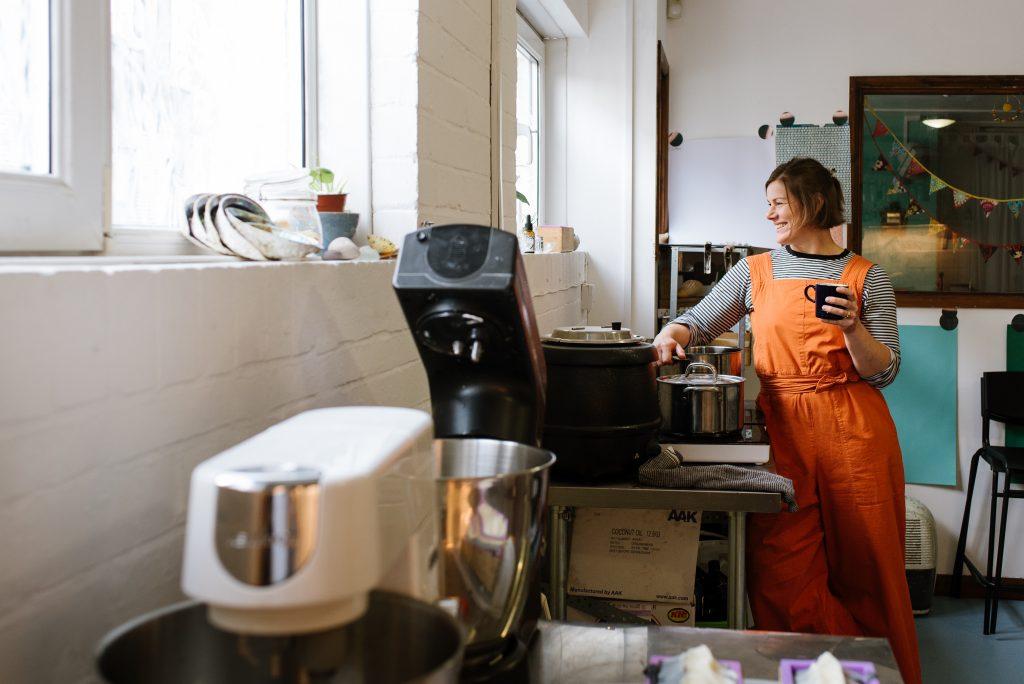
Sophia brings an academic mindset – honed over four years trying to make a synthetic copy of a protein found in seaweed – to her product development. Ultimately, she decided that an academic path wasn’t for her, realising her strengths lay in modelling and seeing things in 3D rather than writing academic papers and funding applications. “I came to realise that product development was actually one of the superpowers of my dyslexia,” she says, explaining how it was during lockdown that she began to get more into cosmetic science, a multi-disciplinary subject that combined her passions for biology, chemistry, physics, maths and art.
The first product she launched was a seaweed shampoo, which she made in her kitchen in Exeter. “Everything that I was studying in my PhD meant that I could understand what was needed for a great shampoo,” she says. “When you spend four years doing a PhD, you have to doggedly, stubbornly learn about something that nobody else had studied before. So I think that experience has instilled this learning process in me.”
A seaweed spa
For Jade Scott from Sae Seaweed – who also runs wild food adventure company Fore / Adventure with her husband, Dan Scott – the drive to create a natural health care brand and seaweed spa came from a personal need. Jade has a connective tissue disease and a rare blood disorder, leaving her with chronic pain and unpredictable histamine reactions. “It’s really unpredictable; I never know what I’m going to react to, but it’s often artificial ingredients,” she says.
“That’s where the seaweed baths first began. I started looking into the traditional use of seaweed as a food supplement at first, but then I discovered an Irish tradition of using it for pain relief.” She soon realised that bathing in seaweed helped with the pain and calming the spasms her conditions causes. “It’s packed with magnesium, so your muscles relax and the effect is long lasting,” she says.
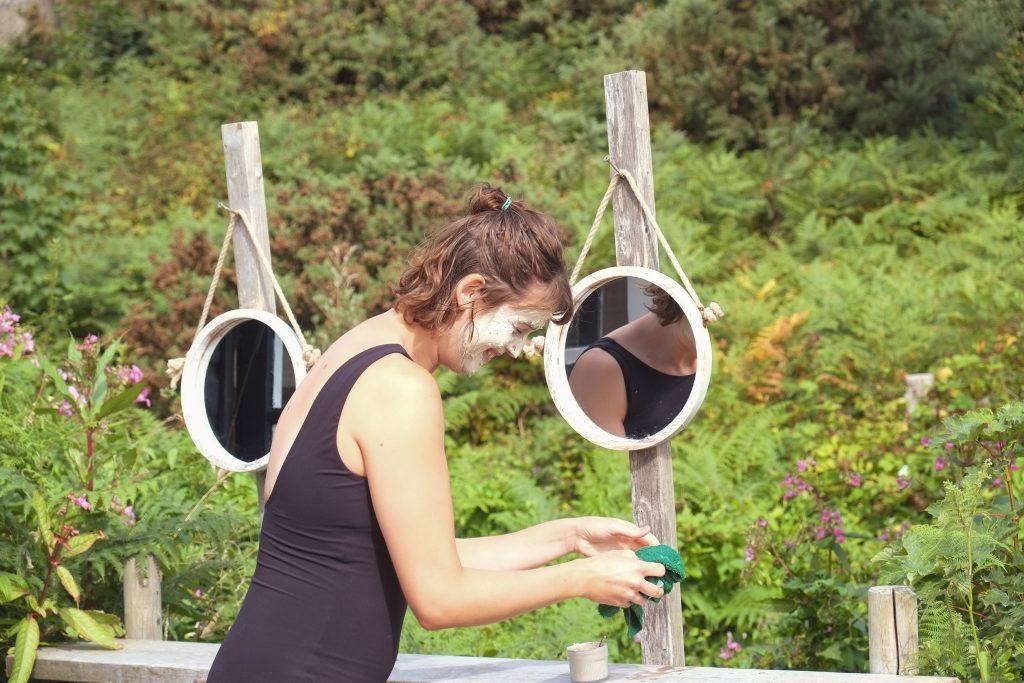
The Sae Seaweed spa features two roll top baths in a beach hut overlooking Studland Bay, Dorset. After massaging a detoxifying food scrub into your feet and applying a soothing clay and seaweed face mask, it’s into the tub where a hessian bag containing brown seaweed like bladderwrack hangs over the hot water tap. The hot water prompts the seaweed to release copious amounts of moisturising gel into the water, kind of like aloe vera, which you can rub into your skin or pour over your hair as a leave-in conditioner.
“This gel is particularly great for swimmers’ skin, which can get dry after salt and chlorine exposure, or hopping in and out of saunas,” says Jade. “It’s also good for sunburn or sore, dry skin on your hands from winter swimming.”
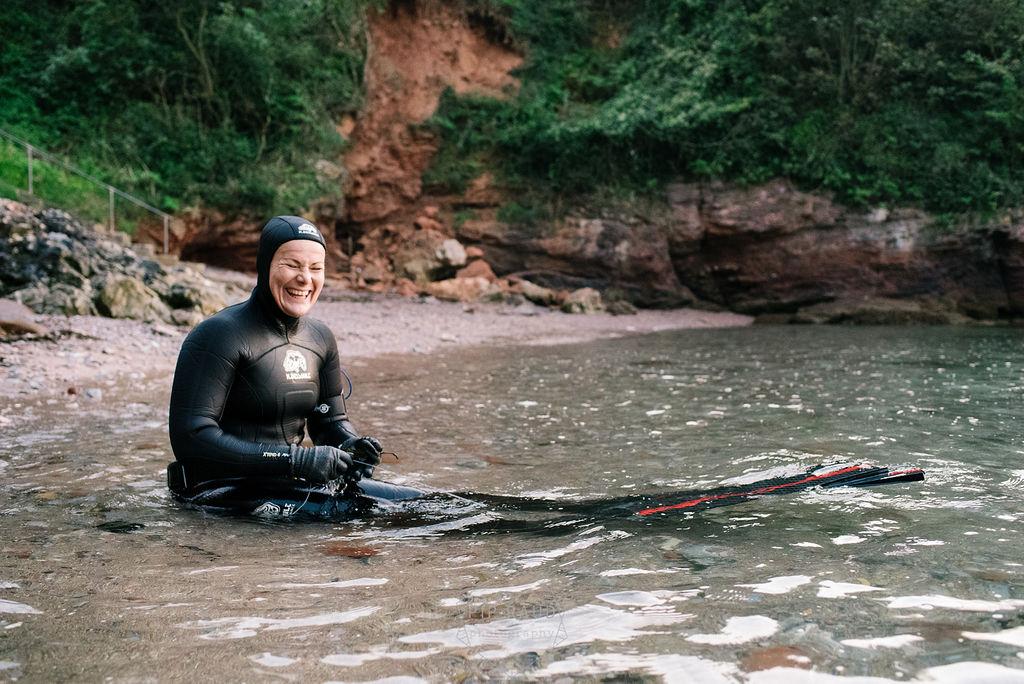
Situated right on Middle Beach, many of their guests go for a swim in the sea first, especially in winter when they can benefit from the contrast bathing effect, too, relaxing in a steaming bath after a cold water dip.
Now, after establishing the popular beach-side spa, Sae Seaweed is bringing out a new skincare range, coming up with their own formulas and working with a British company that only uses natural materials. “It’s all about creating something natural for sensitive skin,” says Jade. “It’s actually really simple. Instead of having to put loads of different things on your face, we simplify it so we’re celebrating the seaweed as the hero ingredient.”
Food for the (sea) gods
Seaweed is also a hero ingredient when it comes to cooking. A nutritional powerhouse, it’s packed with a wide range of vitamins, minerals, antioxidants and other beneficial compounds. But despite the nutritional benefits, seaweed is often an overlooked resource.
“We never had a real need to use it, and the flavour profile is quite different from what people are used to,” says Tim van Berkel, co-founder of The Cornish Seaweed Company, which produces dried seaweed ingredients and seasoning. “I think the fact that it is called a weed doesn’t help either.”
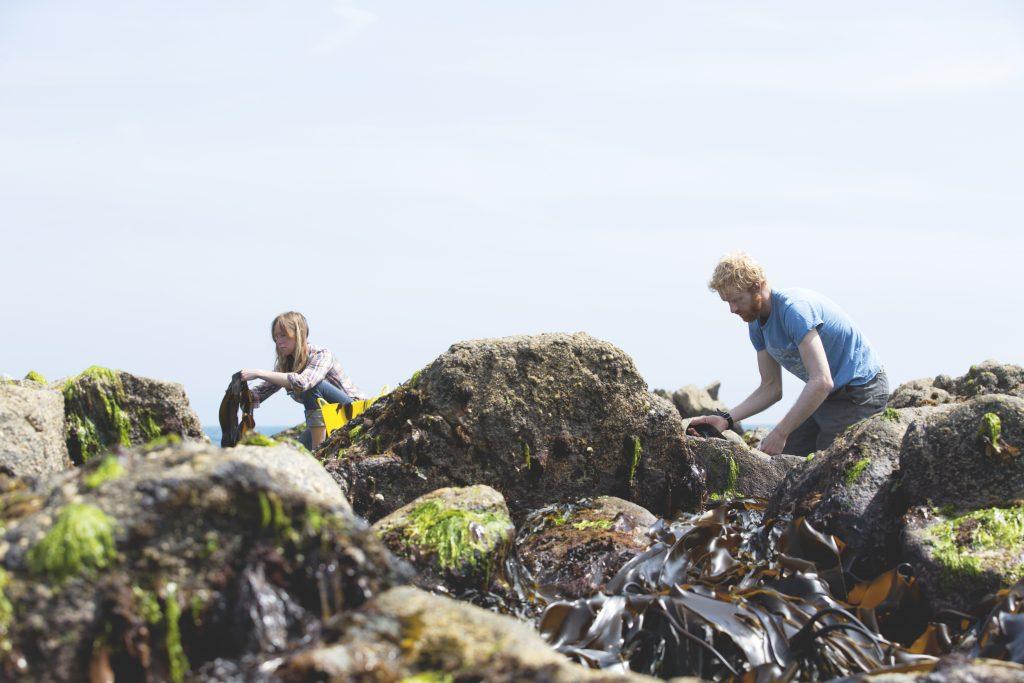
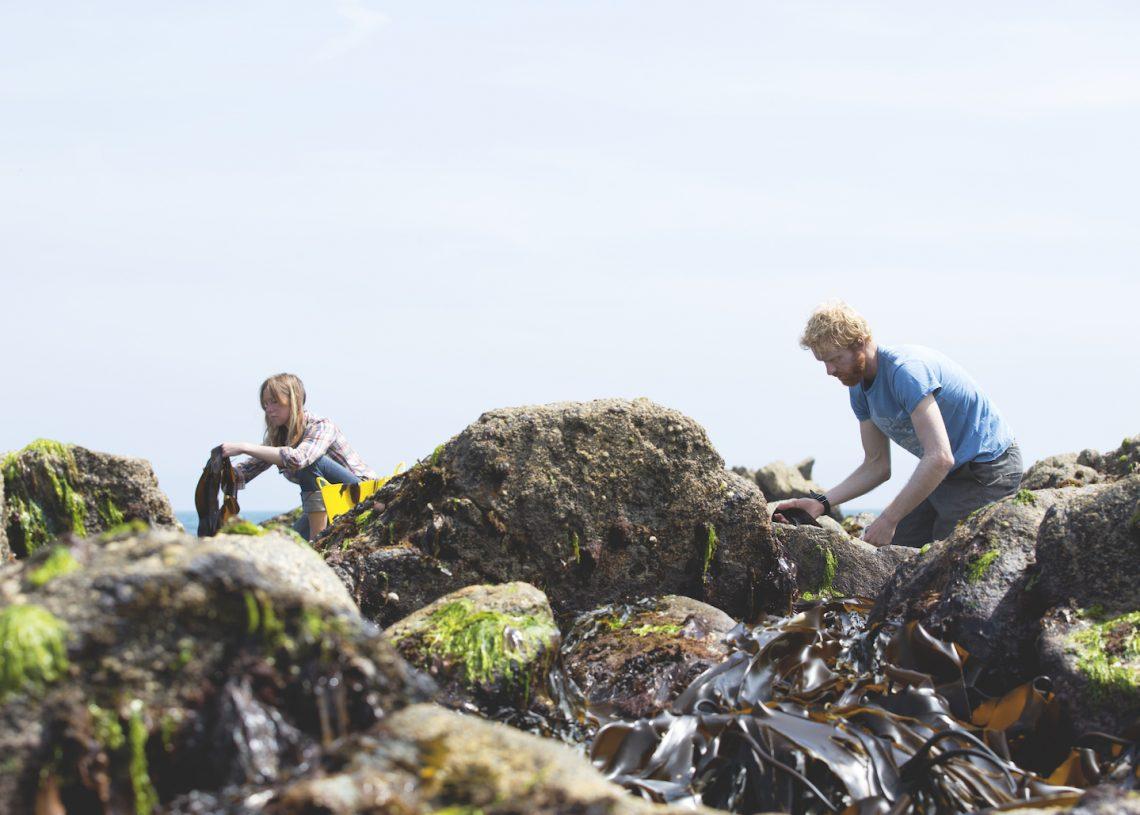
Based in far west Cornwall, The Cornish Seaweed Company harvests seaweed by hand, using knives and scissors. “We either go out around spring tides to get it from the rocks, or free dive for the species that grow lower down the shore,” says Tim, who believes that foraging for seaweed and cooking with it can help us feel more connected to nature*. “It’s a free resource, a wild food, and there’s just something right about foraging for your food,” he says.
There are a great many ways you can cook with it and add it to your food, too. One of the simplest ways is to buy it dried and flaked then sprinkle in onto food like pepper. “Dulse is a firm favourite of mine,” says Tim. “It has a deep salty, umami taste and lends flavour to curries, pastas and any saucy dishes. Then there’s sea spaghetti, which is best harvested fresh and eaten raw, but it’s also great cooked with normal spaghetti or stir-fried after rehydrating it. It’s high in zinc, Iodine, vitamin C and B8, calcium, and as a brown seaweed it contains fucoidan, which has amazing health properties.”
“For me, it’s less about the taste and more about the texture,” says Dan from Fore / Adventure, who leads half-day Coastal Foraging & Edible Seaweed experiences along Studland Bay. “In salads, something like lightly steamed saw wrack brings a wonderful bite.”
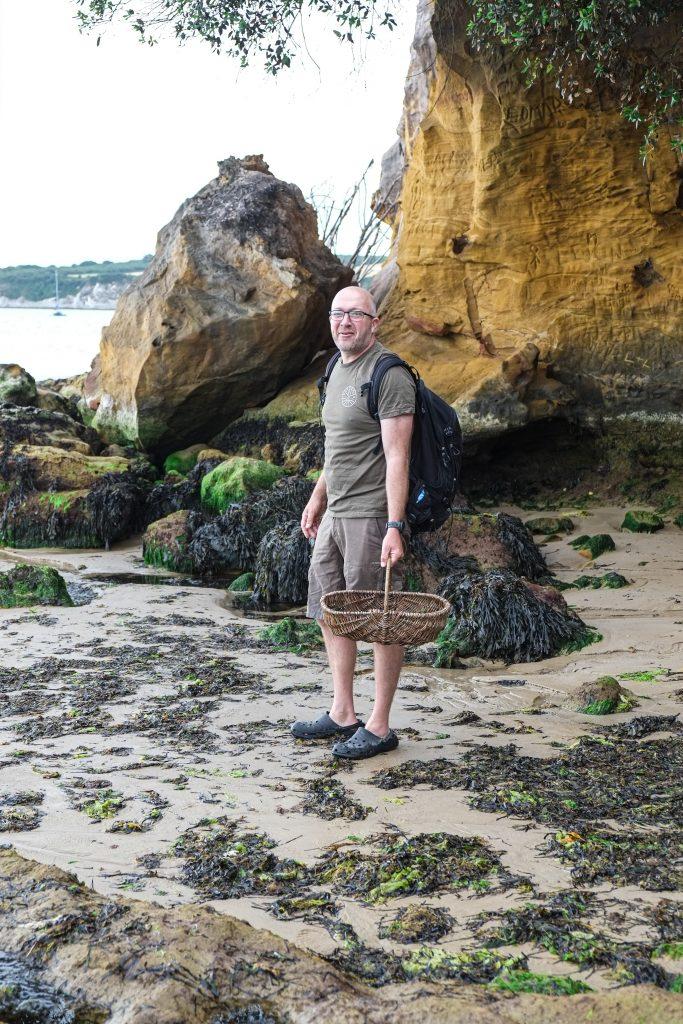
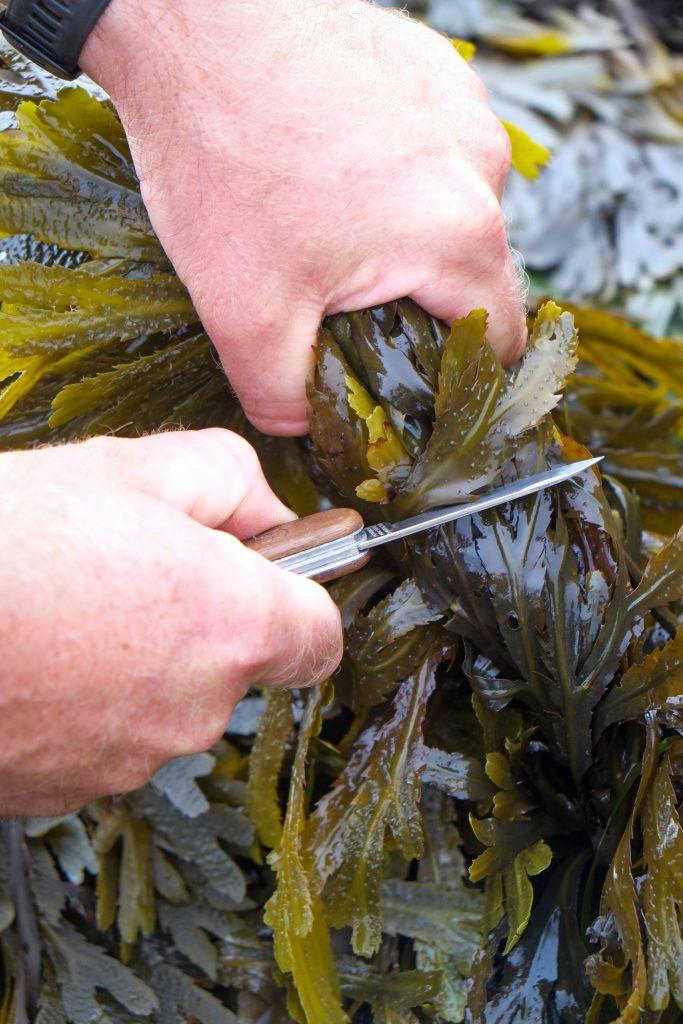
Using seaweed can also change the way you cook food, encouraging you to be experimental. Over time, Jade and Dan have discovered countless ways to use their foraged finds in meals. One of Dan’s favourite ways to cook fish is to put fresh bladder wrack at the bottom of a heavy bottomed skillet with some butter, then cook a fillet on top. “The moisture steams the fish, and it puts these incredible flavours through it,” he says. “If you’re having a beach barbecue, you can also cover hot campfire ashes in seaweed then cook directly on top of it,” adds Dan. “It’s similar to cooking with wood chips to get the flavour.”
Jade, on the other hand, loves wrapping fish in seaweed, like you would baking paper or banana leaves. “It keeps the moisture in, so the fish doesn’t dry out, but it also lends this lovely salty flavour,” she says. She also mixes sea spaghetti in with linguine, makes vegan panna cotta with carrageen from Irish moss and adds seaweed to chocolate brownies for a salted flavour.
Seaweed ID
Compared with foraging for land-based ingredients like mushrooms, seaweed identification is relatively straight forward. Take sea lettuce, which has the crunch of lettuce and can be eaten fresh in salads, dried as crisps or cooked into soups and stews. “Much like wild garlic, it’s a plant you can’t really confuse with anything else,” says Dan.
With its two floating ‘bladders’ side by side, bladder wrack is another simple seaweed to recognise. “It’s really tasty,” says Dan. “You can also dehydrate it, then crush it and use it as a condiment like salt and pepper.”
Dan now has a dehydrator for his foraged seaweeds. “Jade bought me one because I kept drying seaweed in our oven, or leaving kelp out on the backs of chairs; it’s not normal behaviour,” he says, laughing. “But it’s easy to do in an oven. You want to dry it under 40 degrees overnight. Dry it too quickly and you lose some of the goodness; too slowly and you risk mould forming.”
People might think it’s unusual to eat seaweed, but in the not too distant past it would have been really common. “Coastal communities would have relied on seaweeds over the lean of winter months to make sure they’re getting their nutritional values met,” says Dan. “Foraging for seaweeds was just a part of everyday life, as much as using it for fertiliser in the garden or for medicinal reasons.”
Overlooked resource
Sophia agrees that seaweed is an overlooked resource, but thinks this is changing. “That’s one of the things launching Tappermade has taught me, that there’s so much you can do with seaweed – not only in cosmetics, but also as fertiliser, animal feed, bio fuel and packaging.”
Whether we use it on our hair and bodies or to fuel our swims, embracing the possibilities of seaweed is not only a great way to help us feel more connected to the ocean but also to bring back a touch of that playfulness we feel when swimming outdoors.
“There are very few surprises left in life as an adult,” says Jade, who loves overhearing people’s reactions to bathing in seaweed – the whoops and giggles. “Seaweed takes you back to that sense of childhood curiosity. It’s really sensory and playful, and we don’t have enough of that nowadays.”
The wonders of seaweed
Tappermade
Outdoor Swimmer readers get 10% off using code ‘bladderwrack’. (Expires 30 Sep 25); tappermade.com
Fore / Adventure
A half-day Coastal Foraging & Edible Seaweed experience at Studland Bay, Dorset, costs £57.20 per person; foreadventure.co.uk
The Cornish Seaweed Company
Dried seaweed and seasonings from £5.95 per packet; cornishseaweed.co.uk

Jo Tinsley
Jo is the Gear Editor for Outdoor Swimmer and also writes news and features for the website. A keen open water swimmer and long-distance walker, she loves seeking out lakes and lidos close to her home in the Mendip Hills, Somerset. She is the author of The Slow Traveller, editor and founder of independent magazine, Ernest, and has previously tested outdoor clothing and kit for BBC Countryfile Magazine, BBC Focus and Ernest Journal.


You May Also Like

Deep Dive: Swimmer’s Skin

Let’s look at swimmers’ skin