
Cold Water, clear ears: the Swansea specialist helping swimmers stay in the water
How specialist treatment is helping outdoor swimmers overcome Surfer’s Ear (exostoses of the external auditory canal)
Sponsored content
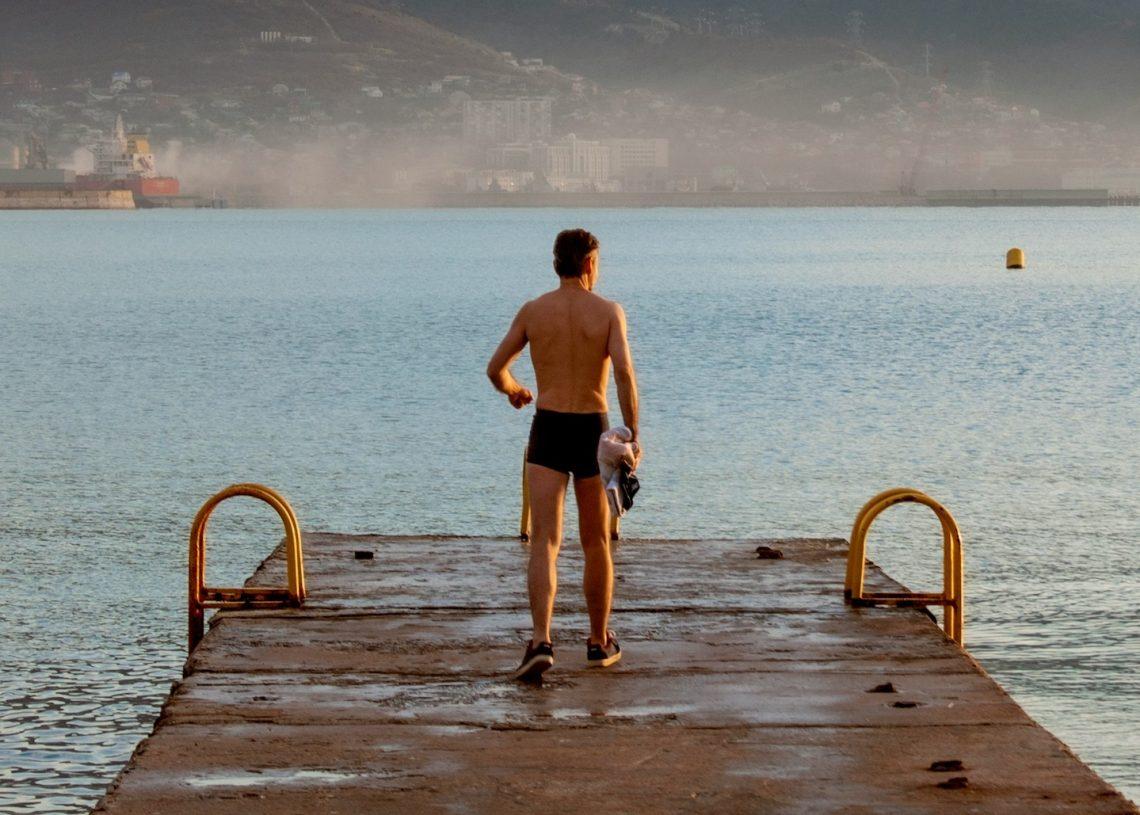
For many outdoor swimmers, there’s no better feeling than slipping into cold water. Whether it’s a sunrise swim at your favourite beach, a winter dip in a local lake, or training for a long-distance open-water event, the water becomes part of who you are.
But what if the very activity you love is slowly changing your ears?
It’s a surprisingly common problem among regular sea swimmers, cold-water enthusiasts and surfers. Yet many people dismiss the symptoms for years, assuming blocked ears, trapped water and recurring infections are just part of the lifestyle.
They’re not.
And in Swansea, one pioneering ENT surgeon is helping swimmers identify and treat the condition before it impacts their enjoyment of the water.
The hidden condition affecting outdoor swimmers
Known medically as exostosis, but more commonly called surfer’s ear, the condition occurs when repeated exposure to cold water and wind stimulates bone growth within the ear canal.
Over time, the canal gradually narrows.
At first, the signs are easy to ignore:
- Water trapped in the ear after swimming
- Recurring ear infections
- A feeling of blockage or fullness
- Difficulty clearing water
- Gradually worsening hearing
Many swimmers simply learn to live with the symptoms.
Yet as the condition progresses, the narrowing can become significant enough to interfere with hearing, increase infections and make time in the water increasingly uncomfortable.
Meet the surgeon behind the Swansea Technique
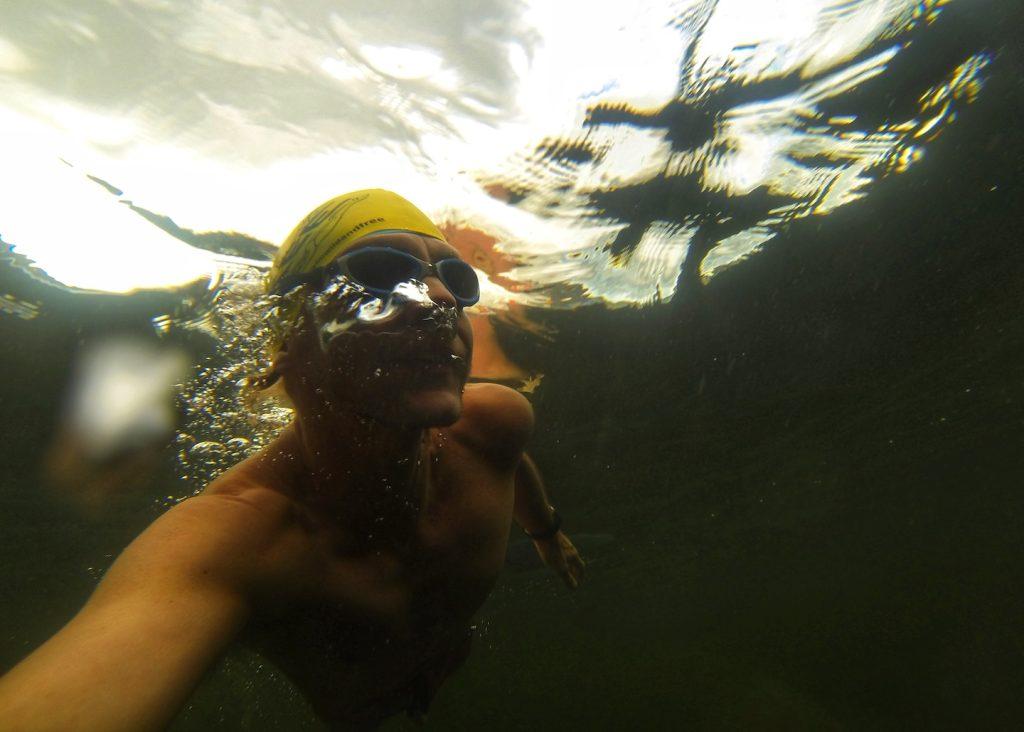
At Sancta Maria Hospital, Swansea, swimmers have access to one of the UK’s leading specialists in surfer’s ear treatment, Mr Ameeth Sanu, Consultant ENT Surgeon.
Mr Ameeth Sanu has developed a pioneering surgical approach known as the Swansea Technique, an innovative method for treating surfer’s ear that has been published in a peer-reviewed medical journal. The technique was developed specifically to address exostosis caused by repeated exposure to cold water and wind.
His expertise has made Swansea a destination for patients throughout the UK and overseas seeking specialist assessment and treatment of the condition.
Why early assessment matters
One of the biggest mistakes swimmers make is waiting until symptoms become severe.
According to Mr Ameeth Sanu, one of the earliest warning signs is noticing that water remains trapped in the ear after swimming rather than draining naturally. This can indicate significant narrowing of the ear canal and should prompt a specialist assessment.
The earlier the condition is identified, the more options are available for managing it effectively.
For regular open-water swimmers, particularly those who swim year-round in colder conditions, being aware of these symptoms can make an enormous difference.
Specialist care for active people
What sets Mr Ameeth Sanu’s practice apart is a focus on modern, minimally invasive ear surgery. He specialises in endoscopic ear surgery, often described as “keyhole” surgery, which is performed through the ear canal without the need for traditional incisions behind the ear. This can result in less discomfort, faster recovery and no visible scarring.
For active people, that focus on minimising disruption and supporting a return to normal activities is particularly appealing.
Beyond surfer’s ear, Mr Ameeth Sanu also treats a wide range of ear conditions commonly experienced by swimmers, including hearing loss, tinnitus, vertigo, dizziness and eustachian tube dysfunction.
A centre of excellence in Swansea
Located in the heart of Swansea, HMT Sancta Maria Hospital has built a reputation for delivering specialist care in a modern, patient-focused environment.
For swimmers across South Wales and beyond, access to advanced ENT expertise close to some of the UK’s most vibrant outdoor swimming communities offers reassurance that help is available when ear problems begin to affect life in the water.
Listen to what your ears are telling you
Outdoor swimmers are remarkably good at pushing through discomfort.
We brave cold water, rough conditions and early mornings. But persistent ear symptoms shouldn’t be accepted as part of the sport.
If water regularly gets trapped in your ears after swimming, if you’re experiencing recurring infections, or if your hearing doesn’t seem quite what it once was, it may be worth seeking specialist advice.
Because the goal isn’t simply healthier ears.
It’s spending more years doing what you love, in the water, with confidence.
Find out more
To enquire about assessment and treatment for surfer’s ear or other swimming-related ear conditions, contact Sancta Maria Hospital and arrange a consultation with Mr Ameeth Sanu, Consultant ENT Surgeon. If you are at the IISA GB Championships (Atlantic College, Llantwit Major, Wales) on the 12th/13th of December, visit their stand to find out more.
For outdoor swimmers, protecting your ears today could help preserve your enjoyment of the water for years to come.
Lead photo: Gala/Unsplash

Outdoor Swimmer
Outdoor Swimmer is the magazine for outdoor swimmers by outdoor swimmers. We write about fabulous wild swimming locations, amazing swim challenges, swim training advice and swimming gear reviews.