Staying awake for marathon swims
Marathon swimmer Sarah Thomas reflects on how she perseveres through sleep deprivation for her long swims
This month’s theme is ‘Rest and Reflection’. I’m good at reflection, but not so good at rest.
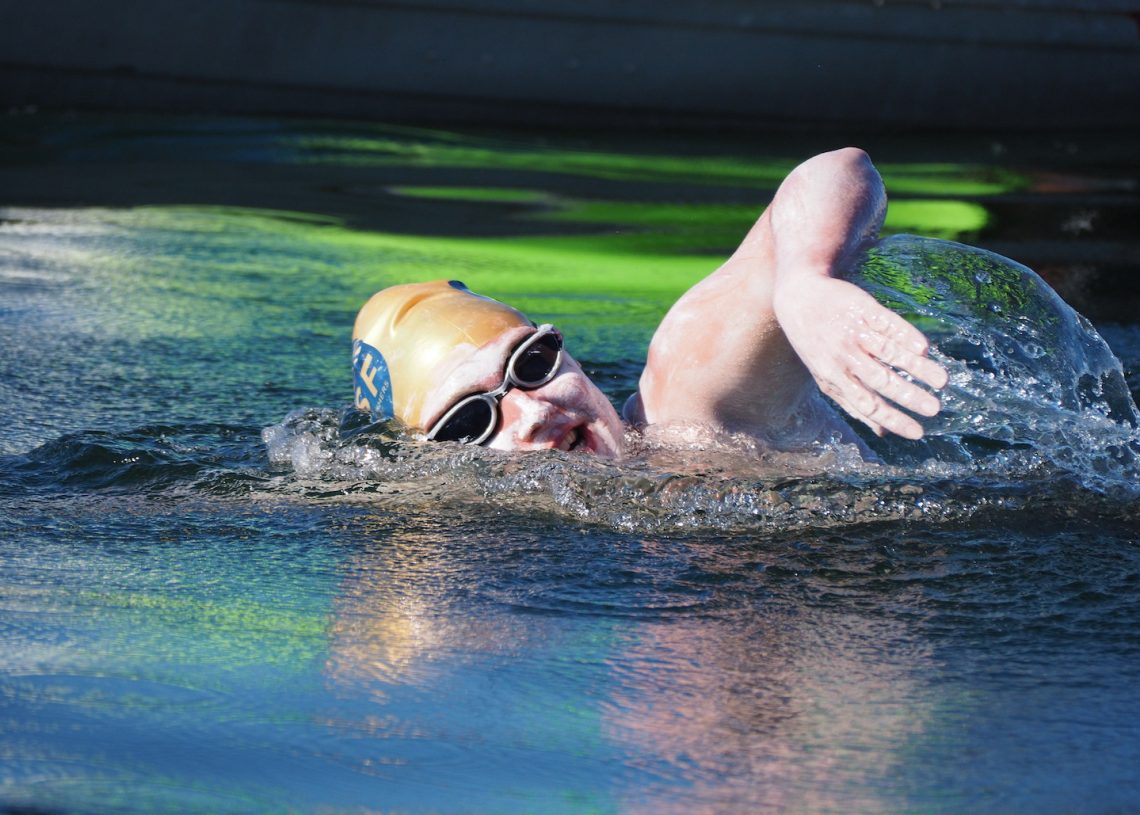
I mean, I stayed awake for 67 hours while I swam over 100 miles in Lake Champlain. Clearly, resting isn’t a strength of mine. Staying awake for days on end? Definitely a super power.
One of the most common questions I am asked: How do you stay awake for so long?
The honest answer: I’m not sure.
The first time I stayed awake for a swim longer than 30 hours was my 2016 Lake Powell swim. I knew going into the swim that it would take over two days, so I researched everything I could on sleep deprivation.
Effects of sleep deprivation
Are there long-term negative health effects for not sleeping? What’s the longest anyone has stayed awake? What can I expect after more than two days of not sleeping?
I talked to doctor friends who have stayed awake for long periods of time during surgery. I talked to a swimmer who trained Navy SEALs and got some fun stories about SEAL Hell Week.
In the end, the long and short of it was: no, it won’t really hurt you in the long run.
Yes, people have done it. You can expect to hallucinate. And if your body really needs to sleep, it will. And caffeine helps.
Fear of naps
And so I spent all of the first night of Lake Powell alternating between wanting to try and take a nap while I swam and being terrified of “micro sleeps.”
A micro sleep is essentially an episode of sleep that lasts less than 30 seconds. Think about when you’re trying, and failing, to stay awake. You rapidly go back and forth between asleep and awake, not even realising you’ve fallen asleep. This is dangerous for long haul truckers on the interstate.
For a swimmer, it could be brilliant: giving my body a brief reprieve and enough of a recharge to keep going. Or, it could be fatal: resulting in a crew member needing to jump in to rescue me.
Needless to say, night number one of Lake Powell was terrifying.
When I didn’t fall asleep, either on purpose or by accident, I was able to head into the second night with a little more confidence, looking forward to those crazy hallucinations everyone promised.
Second wind
Much to my dismay, I didn’t hallucinate a single time. Instead I very intently and accurately (to the surprise of my crew) counted the hours of darkness remaining in the night, anticipating dawn and a fresh surge of energy.
The human body is amazing when you think of what we can persevere through, despite our fear and discomfort. So, in this season of reflection, I ask: what can you achieve if you push through fear and discomfort?
Rest up, we’ve got a big year ahead of us!
This article is from the January 2023 issue of Outdoor Swimmer. Click here to subscribe to the magazine.