EXTRA,  FEATURES,  Features,  March 2023,  Premium

Songs of the Sea: travelling with grey whales

Register to get 3 free articles

No spam Unsubscribe anytime

Want unlimited access? View Plans

Already have an account? Sign in

Doreen Cunningham tells Rowan Clarke how her experience charting grey whales’ migratory journeys became the foundation for a compelling tale about climate, community and humanity.

It’s one of the animal kingdom’s greatest migrations, the perilous 10,000-mile round trip of grey whales between the shallow calving lagoons off the coast of Mexico and the Arctic.

Having lived with indigenous whale hunters in Alaska during the early part of her career, Doreen Cunningham felt called by the grey whales to follow them on their incredible journey with her two-year-old son, Max. Her book, Soundings, explores themes of motherhood, community, the climate crisis, hope and a shared love of the sea.

What was it about grey whales that so fascinated you?

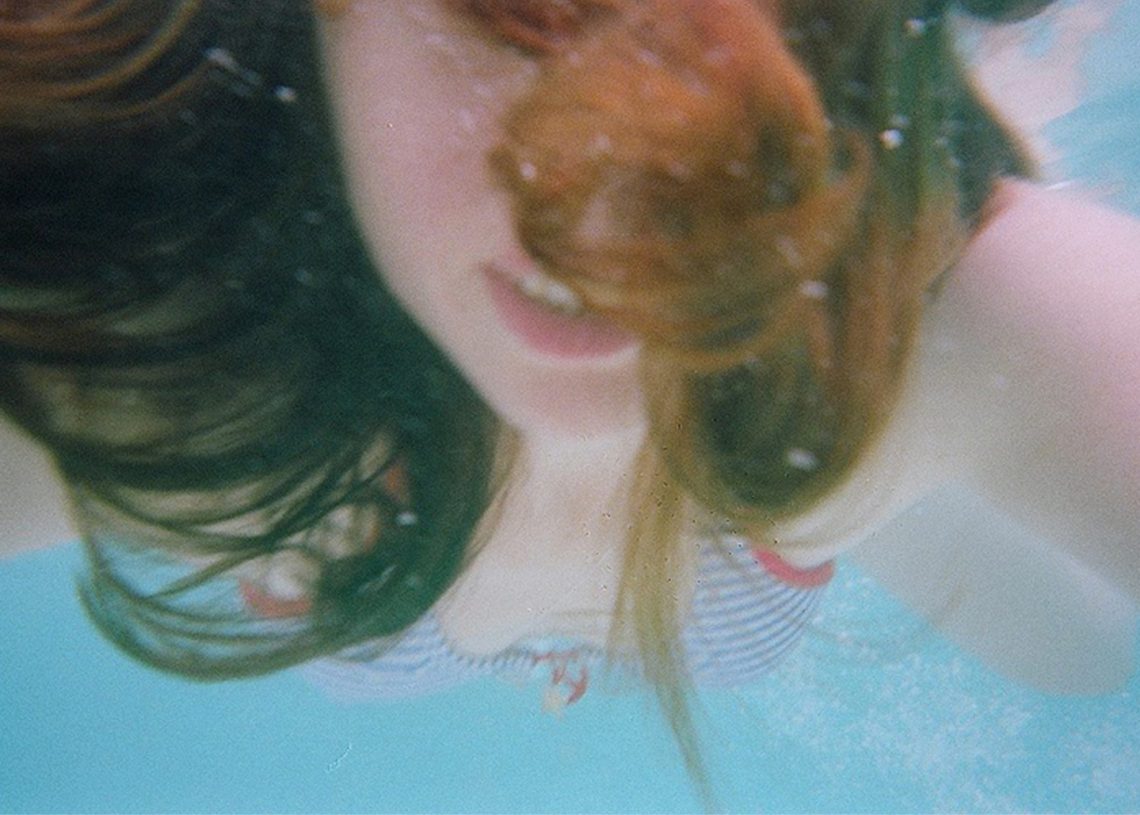
I was an island child. We moved to Jersey when I was about six and the sea was all around. I more or less learnt to swim in the sea, finding that it could be quite frightening as well as a place to relax. And I was entranced by the idea of these giant beings who lived in it and communicated by singing; it’s such a magical thing. While I didn’t see whales off Jersey, by putting on a mask and looking under the water, I understood that there were communities that lived there. I loved the idea of whales being out there singing to each other, that the ocean was full of song. It’s stunning to live on a planet where that’s happening.

How did the whales’ migratory journey reflect your own life journey?

When I first learned about the grey whale migration, I was inspired by the idea of them heading all the way north while feeding their calves, while avoiding predatory orcas. Their endurance and the resilience was what I felt I needed. The main parallel was they were doing it all on their own; the mothers and calves travel in pairs. That helped me leave behind the sort of judgement that came with being a single parent; the financial difficulty, the isolation, everything. They also have to avoid predators, and I’d encountered people in my life who had made my journey more difficult. And I’d made mistakes, which the whales do too, like if they head straight over this giant canyon in Monterey where the orcas lie in wait to prey on the calves, instead of hugging the bay.

There’s a particular story from the birthing lagoons of Baja California. In the 19th century there was enormous slaughter, which the whales seemed to remember because they were hostile to humans for a long time. Then, in 1972, a local fisherman called Pachico Mayoral was out looking for grouper and a grey whale came up to his little boat. He tried to move away because of their reputation for being aggressive, but she kept following him, so eventually he put out his hand and touched her. And from there, this phenomenon started, which tour groups called ‘the friendlies’. When we were there, we went out in these little boats and mother whales, who were bigger than the boats, would come up, bump the boats and then they’d retreat a bit. Then, a baby came up when my son Max sang to them.

That was the start of feeling that our journeys were intertwined. Some of the challenges that they face in the ocean seemed similar to the challenges I faced on land, and I felt real companionship. It’s comforting to me to think of life as a journey and even if it’s not linear, even if it’s up and down and backwards and forwards, you’re always moving. I often think of those grey whale mothers and calves moving through the ocean and when there’s a difficult moment, it helps remind me that I’m not alone, that we’re accompanied by other life on this planet.

So, how did your journey to track the whales begin?

It takes a crisis sometimes, doesn’t it, to get you to make a decision? I was living in a hostel, relying on food banks, struggling to afford the hostel rent. It was really hard trying to do freelance work around Max’s sleeping and I couldn’t see a way out. I’d had a really difficult day and so, instead of working after Max went to sleep, I started to read about whales, my go-to escape from reality. I’d been privileged enough to live in the Arctic for a time when I was a young journalist investigating climate change. I’d lived with an Iñupiaq family, indigenous whalers in northern Alaska, where I learned a lot about a reciprocal relationship with nature and the spiritual relationship the community has with bowhead whales. Then, an article about grey whales popped up and I was like, man, I don’t really know what grey whales are. 

They’re not the most charismatic of whales, but their migration reveals them as this incredible jewel in the whale family with their endurance and resilience. They’ve survived ice ages because they’re so flexible with what they eat. I read that you could see the mothers and calves in the birthing lagoons. And then, when I read that they went all the way up to the Arctic, I had this clear memory of sitting on the sea ice, miles out from land with an indigenous whale hunter, Billy, waiting for the bowheads to start migrating past, and Billy said to me, ‘sometimes we see a grey.’ When I had that memory, I just knew we would follow them. I felt compelled to get back to the Arctic, and I needed to show Max something more than what we were experiencing.

That’s an incredible journey to make, let alone with a small child. How did you do it?

I didn’t have the means; I lied to the bank to get a loan and didn’t think about how I would pay it back. I didn’t really think about anything, I just did it. I felt so confined within the definition of a single parent and within the four walls I was in. And, it was natural to me to be organising visas and planning routes because of my previous work as a BBC journalist. I almost didn’t notice I was doing it, which was a good thing because if I’d had to stop and think, I would have started to worry and it might not have happened.

Travelling alongside the whales meant dealing with the ups and downs of seeing them or not at particular points on the journey, as well as the difficulties of navigating public transport. There was a period of time when we didn’t see them and I felt like I’d wasted a tonne of money and time, and Max wasn’t going to get anything out of it. But, because I had the route planned, I had to complete it in much the same way as the whales do; they have to keep going no matter what happens. And that was a lesson in life. And the ending made it worth it.

How did people respond to you?

Not everyone was pleasant, but we were helped along by this growing community of people. It was like we were being cheered along by strangers. A lot of people who had never met us before, just coming across this crazy woman doing this weird journey, went out of their way to help us. We experienced some spectacular examples of the kindness of strangers. I know it’s cliche, but it’s so true and it was so life affirming. It taught me that there is community to be found everywhere.

Do you think that it restored your faith in humanity?

Yes, totally. Also, I realised I wasn’t a whale! There was one point where I went for swim in the sea of Cortez where there are blue whales, and I saw a whale- shaped shadow underneath me. There was no delight at all, just pure terror. It turned out it was just the shadow of the boat carried down into the water. But as well as the shared experiences, the journey enforced a very clear boundary between the species and the need to respect them, leave them alone to be whales and stop caricaturing them as we tend to do.

I think we play a giant trick on ourselves by thinking of human-whale relationships in a very positive light. In Baja, for instance, they actually seek out the boats and seem to want to play. But if you look at the wider unspoken relationship, we are encircling them with devastating anthropogenic effects in the ocean that are inescapable for them. Our behaviour is worse than the whalers in the 19th century. It’s more brutal. Climate change is more existential, it’s harder to grasp, but it’s so much more catastrophic.

As a climate journalist, you have charted the devastation to our ocean habitats. How did the climate crisis intertwine with your story?

I never thought of writing a book about the whale journey until I was struck by the climate issue and desperate to do something but stuck at home with young babies. I realised that I could use this journey to tell the story of what had happened with climate in my lifetime, in the oceans and in the media. I wanted to front the issue of climate justice, particularly for indigenous peoples, because of the experience I’d had staying with the family in the Arctic and learning about the damage done by colonial violence and how that’s fundamental to the climate story.

My journey also took me much closer to what was happening in the oceans. I can clearly remember that baby whale coming up to the boat when Max sang and I know that dead grey whales are now washing up emaciated. It’s a hard relationship to hold.

The book, I hope, will help people realise where we are and accompany them through the grief of that as well as empowering them and giving them joy, hope and the humour of everything that we have in our communities as humans and with non-human species. Climate, although in there, is carried by different experiences. It’s not the overpowering message; the main message is about the power of compassion, community and love.

I think some of the difficulties we face are about a lack of connection with each other and with the natural world. But even when you swim on your own, you can’t help but feel like you’re part of a community. I think that’s because of the connection you feel with all the people around the world who enjoy that activity, and it’s also because of who else lives in the ocean. How could we not be touched by the fact that the oceans are vibrating with song?

Soundings by Doreen Cunningham (Virago) is available to buy now. Photos: Doreen Cunningham. This article is from the March 2023 issue of Outdoor Swimmer. Click here to subscribe to the magazine. Read more features from the March issue.

To see all the online content from the March 2023 issue of Outdoor Swimmer, visit the 'Hemispheres' issue page.
Stay up to date with The Dip, our free weekly outdoor swimming newsletter.

Outdoor Swimmer is the magazine for outdoor swimmers by outdoor swimmers. We write about fabulous wild swimming locations, amazing swim challenges, swim training advice and swimming gear reviews.