
How to manage your swim training over Christmas
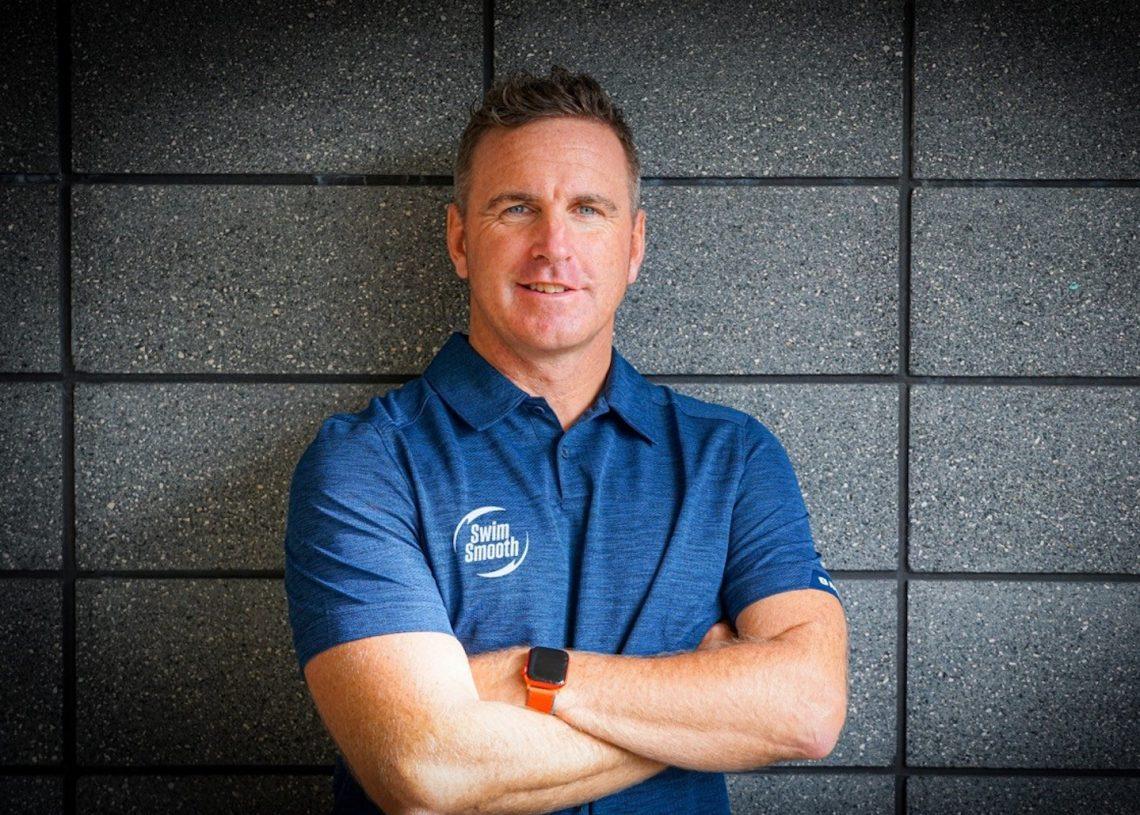
As December approaches, many swimmers start wondering how to juggle Christmas indulgences with training. Swim Smooth coach Paul Newsome shares some insights.
As December approaches, many swimmers start wondering how to juggle holiday indulgences with training
Personally, I’ve signed up for the 20km 2025 Rottnest Channel Swim at the end of February 2025. Despite working hard to be in the shape of my life at the moment, I’ve got a 25-day period over Christmas where I’ll be travelling to the US, Canada and Scotland to see family, and the thought of this impact on my training worries me, too.
Whether you’re aiming to stay fit or simply want to make the most of a busy season, Christmas indeed presents some unique challenges for swimmers. Here, we’ll look at practical answers to some common holiday-related training questions, with a few tips that I’ll also be implementing to keep you both motivated and balanced.
- Knowing that I’m going to overindulge, should I train extra hard in December to compensate?
The holidays are a time when many of us enjoy a little more than usual, and it’s tempting to try to “offset” indulgences with extra training. However, training intensely with the sole purpose of compensating for holiday treats can lead to burnout and even injury, especially when your body is already stressed from social gatherings, disrupted sleep and dietary changes.
Instead of piling on extra sessions, aim for consistency. If you’ve maintained a regular schedule in the weeks leading up to December, it’s best to stay on track without drastically increasing your workload. Think of it as “staying in the game” rather than sprinting to the finish. Focus on quality sessions rather than volume – maintaining technique, refining skills, and hitting your target training paces. Training consistently rather than excessively will help you maintain fitness and allow you to enjoy the holidays without guilt or over-exertion.
What I’ll be doing: I’ll be tempted to up my volume before I leave, but I’ll be paying close attention to my Fitness Balance Chart within the Swim Smooth GURU to ensure I don’t overdo it. For me, I’ll be consistently doing shorter CSS-based sessions like our “Goldilocks Set” (which I’ve mentioned in previous issues of Outdoor Swimmer), to ensure that I keep my fitness line above 40.
- I’m going to be away from the water for about 10 days. Is it worth trying to keep fit with bodyweight exercises, walking, and stretch cords, or should I just relax?
If you’re out of the water for 10 days, light bodyweight exercises, stretching, and stretch cords can be beneficial to maintain mobility, keep muscles engaged and ease back into the water once you return. Stretch cords are particularly useful for keeping your swim-specific muscles activated. Aim for gentle, swim-like movements that mimic your stroke patterns to keep the neural pathways engaged.
That said, it’s also entirely okay to take a short break. A week or so away won’t drastically impact your fitness, and a little rest can actually boost your motivation and performance when you return. Use the time to let your body and mind recuperate. Incorporate light activities such as walking gentle yoga, or stretching to stay loose without pushing yourself too hard. When you do return to the pool, ease back into your sessions to allow your body to adjust. Your endurance will return quickly with a structured approach.
What I’ll be doing: I’m doing a little bit of extra cycling and running with my son at the moment, so when we’re on holiday, we’ll be able to enjoy a jog through Central Park or a hike in the Cairngorms to keep things ticking over.
- I’ll have more time to swim between Christmas and New Year. Should I take advantage of it with some marathon training sessions?
Having extra time over the holidays can be a rare opportunity to focus on your swimming, and it’s tempting to plan a series of long sessions. However, if super-long sessions aren’t part of your regular program, be cautious with drastically increasing your session volume over a short period, as this can lead to overuse injuries or fatigue that may linger well into the new year.
A more effective approach is to incorporate one or two longer sessions, while balancing your training with technique and intensity-focused workouts. Try a mix of endurance-based sessions, CSS (Critical Swim Speed) training, and technique-focused drills to make the most of your extra time in the water. The holiday period is also a great opportunity to work on skills you may not always have time for, such as sighting, breathing to your least favourite side, or dialling in pacing consistency for open water events. This balanced approach will help you build stamina without overloading your body.
What I’ll be doing: I’ll actually be doing the exact opposite of marathon training sessions (even though I’m preparing for a marathon swim!), given that many of the pools I’ll be using will be short, hot, and often only open for lane swimming for an hour at a time. I’ll instead make these slots really count instead and will limit technique and drill work (which require equipment I won’t have with me), in favour of time spent maintaining my cardiovascular fitness.
- What are the biggest mistakes you’ve seen people make with managing their training through the festive season?
A few common pitfalls can hinder swimmers’ progress or, worse, lead to injury over the festive season. Here are some of the biggest ones to watch out for:
a. The all-or-nothing approach: One mistake is adopting an “all or nothing” mindset; either training as though it’s race week or completely abandoning the routine. Both approaches can lead to issues: overtraining can cause fatigue and burnout, while skipping too many sessions can disrupt your rhythm and make it difficult to restart. Aim to be flexible; get in a few quality sessions if possible, but allow yourself to enjoy the holidays without stress.
b. Forgetting recovery and rest: Another common mistake is not allowing for adequate recovery during an unusually high-intensity period. The social aspect of Christmas means late nights, varied meals, and generally disrupted routines, all of which can add up and affect your training. Remember to get plenty of sleep, hydrate well, and allow rest days between intense sessions to avoid fatigue or injury.
c. Overestimating one’s ability after a break: If you’ve taken a break, avoid the temptation to jump back into hard training immediately upon returning to the pool. Start with shorter, technique-focused sessions to ease your body back into swim mode, gradually ramping up the intensity over a few days. This helps prevent soreness, stiffness, and the potential for injury. I’ll use our “post hiatus” button on the CSS Tweaker in the Swim Smooth GURU to tweak my pace down accordingly to help avoid this.
d. Skipping strength and mobility work: Strength and mobility work, often overlooked by swimmers, is especially useful over the festive season when access to water might be limited. Incorporate exercises that target your core, shoulders and back to stay engaged. Gentle stretching and foam rolling can also go a long way to keeping your body prepared to hit the pool again without feeling sluggish. I’ll definitely be bringing my foam roller with me, despite the added bulk!
In summary
The Christmas break can be both a challenging and rewarding time for swimmers. Rather than pushing yourself to extremes, aim for balance: maintain a steady rhythm if you can, give yourself permission to rest, and focus on enjoying the process. By doing so, you’ll keep yourself fit and motivated without risking burnout, ready to dive into the new year with renewed energy. Happy swimming!
A few Christmas swim training tips
Here are some specific tips to help you make the most of your holiday training:
Prioritise enjoyment: It’s the festive season, so don’t forget to enjoy yourself. Plan a few “fun” sessions that include elements you genuinely enjoy, whether it’s a social swim with friends, a relaxed open water swim, or working on drills and skills that make you feel at ease in the water.
Set realistic goals: The holiday season isn’t the time for major gains, but rather for maintaining a steady rhythm. Aim for consistency and maintaining fitness, and let your body relax a little to prepare for the new year.
Stay flexible: If you miss a session, don’t stress. Staying mentally and physically fresh is more important than hitting every workout. A little flexibility can go a long way, so enjoy the holidays while keeping a light touch on your training.

Outdoor Swimmer
Outdoor Swimmer is the magazine for outdoor swimmers by outdoor swimmers. We write about fabulous wild swimming locations, amazing swim challenges, swim training advice and swimming gear reviews.