


Sauna culture in the UK
With a nod to sweat house history, Rowan Clarke discovers how the UK is embracing sauna culture
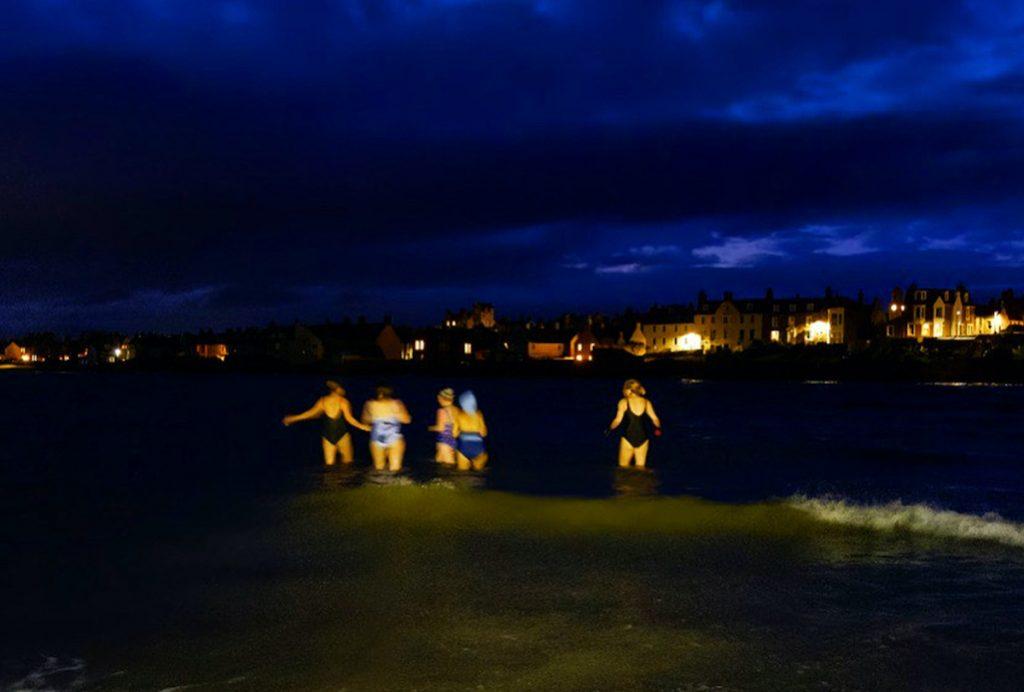
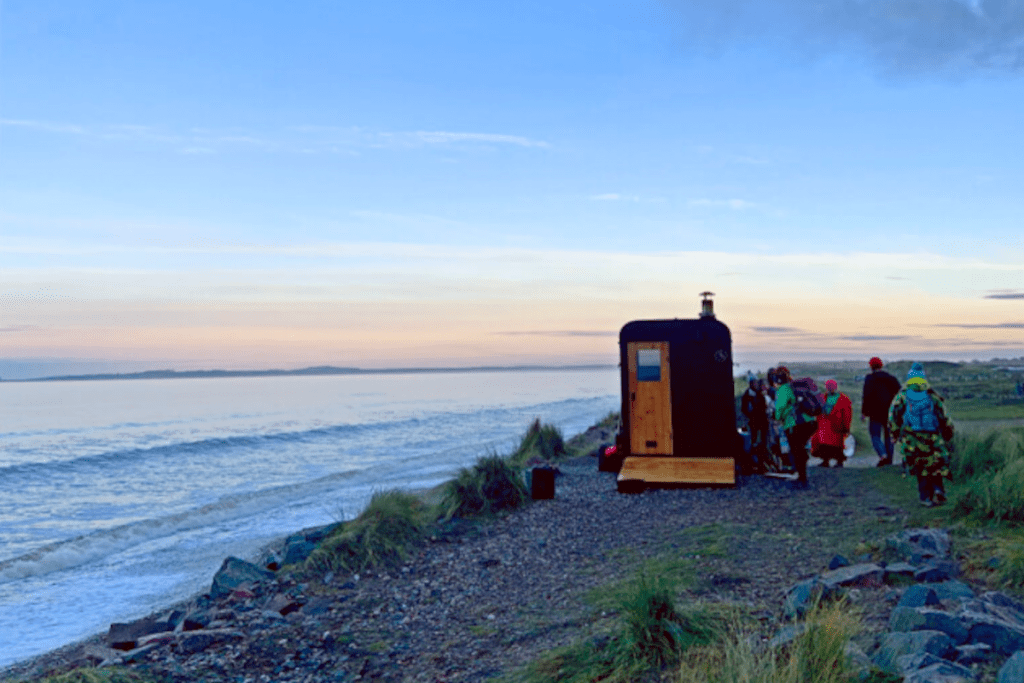
Relaxing in a beach sauna looking out over the sea feels like a delicious side-dish to cold water swimming. With outdoor swimmers among their biggest proponents, it’s little wonder that so many beaches, lidos and lakes are starting to host mobile saunas and even install their own.
But saunas are much more than a side dish. Steeped in history, tradition, ritual, folklore and ceremony, sauna culture is a growing movement. And while cold water immersion is an important element, it’s about a quick plunge and not swimming.
As one of the world’s emerging sauna cultures, Britain is defining itself, developing its own distinct character. So, from beach box saunas to the competitive events, what does British sauna culture look like?
Like Tikka Masala
You might be surprised by the depth and nuance of sauna culture. Most of us experience saunas in spas, leisure centres or pop-up mobile saunas – an occasional treat or a bolt-on to a swim, work out or day spa.
But you don’t have to go far into Europe to experience established sauna culture that’s embedded in everyday lives. Take, for example, the Finnish ‘church of nature’ – a sacred sauna experience imbued with folklore with löyly, the spirit released by casting water onto a stack of heated stones, at its heart. Or the smoke sauna tradition of the Võro community of Estonia, which is a family custom that’s passed down through generations.

Within this global picture, Britain’s sauna culture is still finding its feet. But, after Japan and the US, it is one of the fastest growing.
“I don’t think [British sauna culture] has been defined yet,” says Tom de Wilton, cofounder of The Saunaverse. “The way I think about it is, it’s like British cuisine in that our national dish is a chicken tikka masala invented in the UK, and we’re going to take the best bits of sauna culture and mix them all together.”
Borrowing ingredients from other cultures, adapting them, adding our own, omitting others – it’s a defining characteristic of the UK’s multiculturalism. And so, it makes sense that our developing sauna culture adopts bits from others, adapting them according to our own climate, people, society and traditions.
“There’s something that seems to really appeal to the British mind around a guided experience, and I think that’s because sauna is unfamiliar to us,” says Tom. “And I think it will involve leaf whisks – the British vegetation is great for that, especially hazel trees.”
Historic roots
While sauna culture is unfamiliar to us, it’s not new. The oldest remains of sweat houses were found near Stonehenge and on Westray in the Orkney Islands. And from the Celts and Romans to the 19th-century boom in Turkish baths, sweat bathing has featured throughout our history.
In 1948, the Finnish Olympic team brought a prefabricated wooden sauna to England as a gift to the host nation after the Games. Gaining Grade II listing in January this year, it’s thought to be the oldest purpose-built sauna in continuous use in England.
But, by the time England received this generous gift, the UK sauna scene floundered throughout the 20th century.
“There was a sauna wave back in the early 1970s and my father was very much into that for health and wellbeing,” says Judith Dunlop founder of Scottish Seaside Saunas. “I always loved it, but it disappeared. Mikkel Aaland, who’s a great researcher of the phenomena of sweat bathing, says that it was to do with the AIDS epidemic when saunas got a bad press and were seen as unsavoury.”
Saunas became mere add-ons to spas, and it would take another culture-shifting disease to spark a new sauna zeitgeist. The global Covid pandemic pushed us outdoors, and our health and wellness took on a new significance.

“It’s really interesting that pandemics played into the phenomena of swimming and sweating,” says Judith, who opened her first public sauna in Elie Harbour in The East Neuk of Fife with the support of the local swimming community. “There was cold water swimming and also a revival of health and wellbeing associated with being outdoors. I, for one, wanted us all to carry on socialising outdoors in the fresh air, not to go back into our homes and to keep that third space, and connect people with the outdoors. That had been part of lockdown, but I didn’t want it to go.”
As Judith points out, this incredible growth isn’t unique to the UK. In other countries without established sauna traditions, sauna cultures are growing and defining themselves.
Like the pub
Important for the UK’s sauna culture is unlinking them from health spas. There are a few reasons for this – that saunas aren’t merely an add-on to massages and steam rooms, that they’re available to more people and that we can enjoy them regularly.
“It’s a kickback against going to a luxury spa. You can enjoy wellness without having to put on a fluffy robe in the basement of a hotel,” says Judith. “You want something a bit more primal, a bit more joyful.”
The antitheses to a spa where you passively imbibe health and wellness, saunas feel joyful, intentional and a little bit rebellious. From the wild landscape outside and the sauna inside a horsebox to the cold plunge and rituals surrounding the sauna, the experience is active and multi-sensory.
“There’s a sort of radical edge to it – I mean, you have to be a certain type of person to want to build a sauna in a horse box and stand on a windswept beach every day,” says Emma O’Kelly, author of Sauna: The Power of Deep Heat. “I think there’s an idea of taking our health into our own hands because the NHS is failing, and what else are we supposed to do? So, it’s a kind of quiet activism.”

Saunas are also about social connectivity. Both in the sense that saunas like Judith’s belong to their communities and that they create level, democratic, non-judgemental environments that engender open conversation.
“As the person who wrote the foreword to my book says, we’re stuck on the idea of the sauna as the new pub and that’s a good starting point for us because we can all relate to that,” says Emma. “I think as an element of that, British sauna bathers are really noisy – sauna operators are struggling to introduce quiet sessions. Everybody wants to get in there and have a really good old chat, which says something about how we that need for connection post-pandemic and how the digital world has severed a lot of real real-time connection.”
Like a football match
For the past couple of years, this communal joy and sauna ritual have come together in festivals and competition. Tom’s Saunaverse hosts the Sauna Festival at its home in Hackney, while the British Sauna Society celebrates the wonderful world of sauna ritual at the UK’s National Aufguss Championships.
In front of judges and an audience, sauna masters from around the world compete to perform their rituals inside the sauna.
“You go in, and you will have this whole entire performance. So, there’s music, there’s light, there are inventive ways to get water onto the stones and the heat is really intense. It’s pretty mind blowing,” says Gabrielle Reason from the British Sauna Society. “There’s this impression that sauna and spas are quite feminine… Whereas this, because it’s so exhilarating, and everyone’s clapping, it’s almost like a football match… And it’s a much more like communal activity.”
This communal joy is reminiscent of cold water swimming and its ice galas and events. And, like cold water swimming, sauna is also anti-inflammatory, good for cardiovascular health and as a protective factor against agerelated illnesses like dementia, rheumatism and heart disease.
“We don’t want it to be a luxury experience because with the health benefits that are purported, you have to be going at least once a week at the very least,” says Gabrielle. “So how can you set up something that people will go to that often? The four tenets that we came up with are that it’s local, accessible, affordable and inclusive.”
Already offering social prescribing, womenonly sessions and free sessions for NHS workers, The British Sauna Society is working with both new and established sauna operators to bring saunas to more people.
As British sauna culture grows it develops its own flavour, its own post-pub, anti-digital character that supports our health and wellbeing. It has become a movement in its own right and not a side dish to cold water swimming.

Outdoor Swimmer
Outdoor Swimmer is the magazine for outdoor swimmers by outdoor swimmers. We write about fabulous wild swimming locations, amazing swim challenges, swim training advice and swimming gear reviews.