

Five ways to calm the nervous system
Personal trainer Liz Lowe recommends five simple actions to help reduce perceived stress and soothe the nervous system for a more resilient body
Signs of spring can bring a sense of renewal, making March a great time to reflect on general wellbeing. A resilient body relies on a well-functioning, balanced nervous system. In an era of endless to-do lists and a continual drive to feel productive, the fundamentals of wellbeing – such as good quality sleep and manageable stress levels – can fall by the wayside.
Here are five simple actions to help reduce perceived stress and soothe the nervous system. All can support improvements in heart rate, blood pressure regulation, sleep quality and overall resilience. By introducing these calming practices, we can help the body relax and feel safe, initiating the restorative ‘rest and digest’ state associated with the parasympathetic nervous system.
Although quick to do, they can feel hard to implement when life is busy and we’re frequently overwhelmed. Start small, picking just one or two things to do consistently and see how you feel. Small changes can yield big rewards.
Breathwork
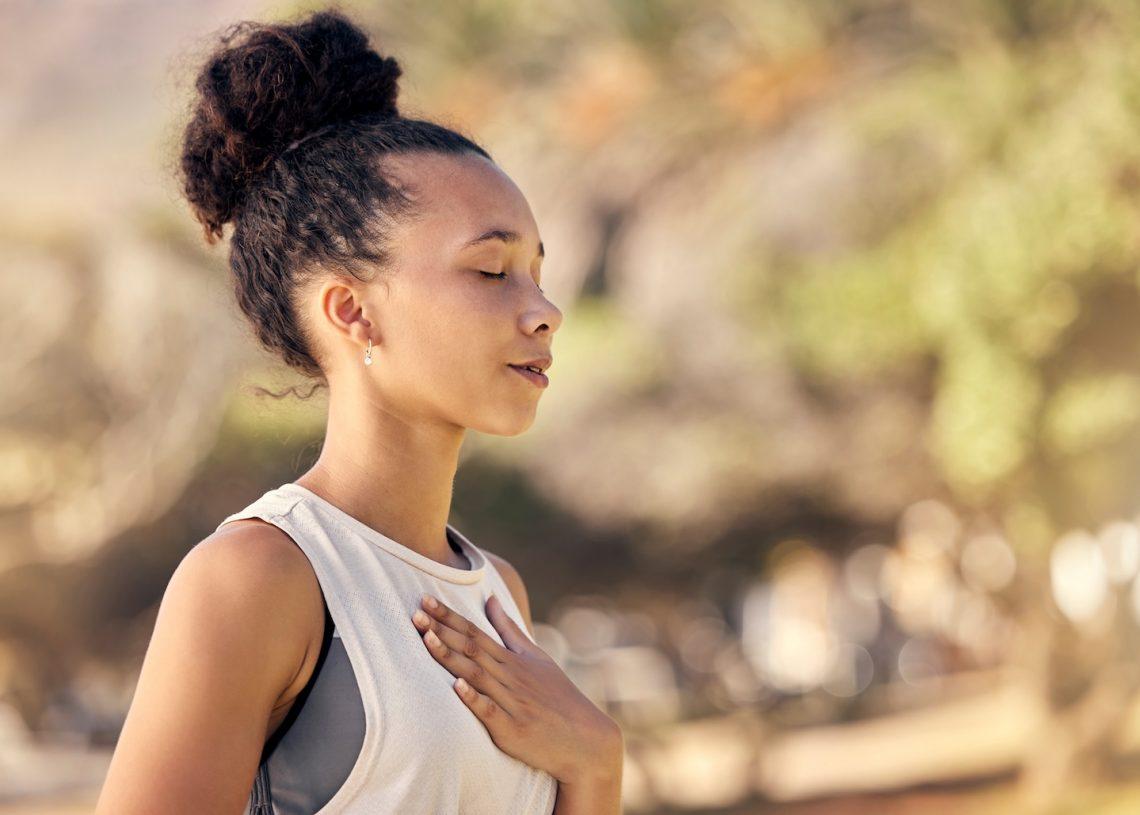
Set a timer for 2-5 minutes. Sitting comfortably with spine upright, try to lengthen and smooth the breath as it expands your rib cage and travels down to your belly. Aiming for exhales longer than inhales is believed to have a calming effect. Try focusing on the area above your top lip and below the tip of your nose, as the breath passes in and out.
Mindful moments
Sit or lie down comfortably and set a timer for a few minutes of quiet observation. Pick an area of the body to focus on – perhaps the soles of your feet or your sitting bones. Exploring sensations in the places where your body meets the surface below can have a grounding effect.
Nature
Spending time in natural environments has been shown in studies to have significant positive impacts on both physical and mental health – something outdoor swimmers will know all too well. Exposure to natural light in the morning is particularly beneficial and has also been linked to better sleep.
Gentle movement
Moving your body with calm intention, such as Yoga, Tai Chi, Pilates or even walking can help reduce stiffness and improve mobility as well as instilling a sense of calm.
Connection
Laughter, hugs, stroking a pet – all these actions trigger feel-good hormones, as well as bringing little moments of joy into your day.

Outdoor Swimmer
Outdoor Swimmer is the magazine for outdoor swimmers by outdoor swimmers. We write about fabulous wild swimming locations, amazing swim challenges, swim training advice and swimming gear reviews.