
Build your resilience over winter
In her first coaching feature for Outdoor Swimmer, Olympian Alice Dearing explains how resilience in winter is worth it when it comes to long summer days of swimming
At this time of year, winter can start to feel endless. Now the seasonal joy has disappeared, those dark mornings and short days require mental fortitude, but it’s worth it for the long summer days when the pendulum swings back in our favour and you can tackle those swims you have been daydreaming about while getting the winter meters in.
Even though my preference is for warm weather and warm water, I am always grateful for the time and opportunity that this season provides. As a professional swimmer, this was always the time to get the hard, long meters in – to build up the aerobic base, which would see you through the competitions and challenges that await in summer and autumn. But also, a time to rest, reset and plan. Let’s look at what you can do now to make the most of all that’s to come.

In the water
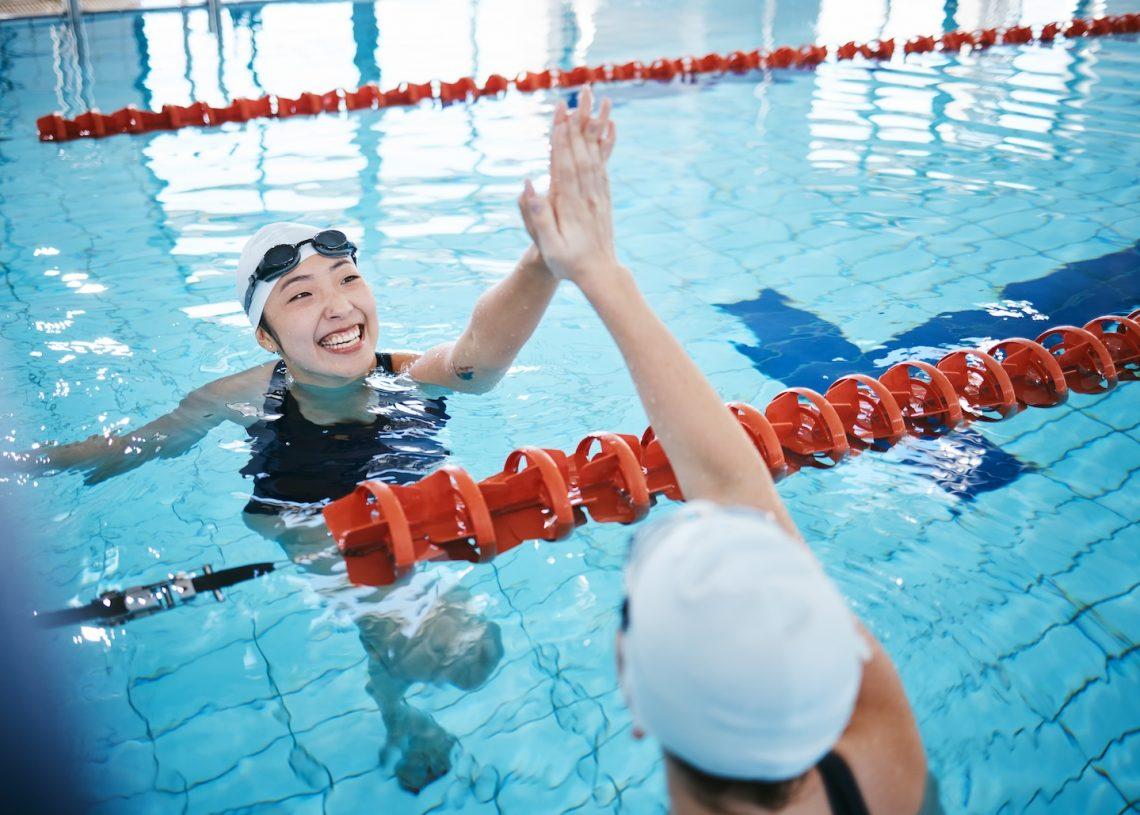
If your favourite outdoor venue is a bit too cold or you can’t swim as far as you would like in the current outdoor temperatures, it’s okay, we have pools! The real challenge can be navigating lane swimming, with some pools getting ridiculously busy in January. Pools at the start of the year can be very off putting, which can cause procrastination or avoidance, which will impact your fitness and feel for the water. Here are my tips to try to combat that:
- Respect other lane users. I think everyone has a story about a bad experience during a public lane swim. It happens, but this is where the strength of our community is key. There’s no reason to get heated if someone accidentally interrupts your rep. Be considerate of swimmers both faster and slower than you.
- Be prepared to be adaptable. As mentioned above, you can’t assume that you’ll be able to follow your session plan to the second or metre. For example, you see a faster swimmer approaching the wall, your rest time is up and you need to push off, it’s clear that the swimmer is not stopping here and wants to carry on. Waiting an extra second to let them through is the best case for everyone and won’t impact your session.
- Swim with friends! Finding or even creating a group who swim together can help combat lane swim anxiety while fostering a similar community spirit to open water swimming. Are there people locally who you can join in with? Even if you are swimming in different lanes, it’s still nice to know you have people who you can chat with and cheer on when the swim is done.
- Work it into your timetable. The busiest time for lane swimming is before work. 6-8am is a popular time to swim – and rightfully so as it sets up the day and you can carry the endorphins and sense of achievement with you for the day. However, if you’re like me and prefer the lane space, try thinking about when you could fit a swim in a quieter time. Lunchtime, late evenings and during the day on weekends are usually a bit quieter.
- Consider joining a masters club. Much like swimming with friends, this gives you the social element of the sport but also a set direction for each swim. There are so many great master clubs out there which have built strong and enjoyable communities. They may swim a few times a week but there is usually no expectation to be at every session.
Out of the water
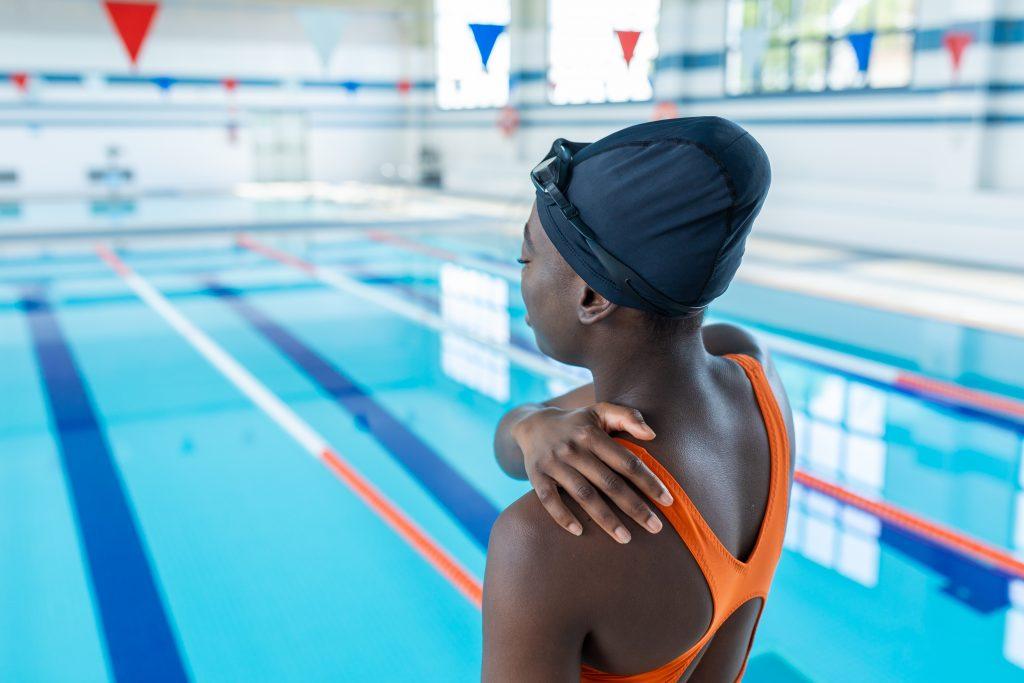
Back on dry land, there are also several other things which you can do to help keep fit and healthy.
- Sort that injury out. Whilst I have said winter is a great time to push yourself, it’s also a perfect time to rest and recover. Have you been carrying an injury that you keep hoping will fix itself? Take some rest and get it seen by a physiotherapist or doctor. Working through an injury should only ever be a last resort. Use the time wisely to make sure you’re in good health come summer.
- Get the cardio done! If going to the pool today isn’t filling you with joy, don’t fret. There are other ways you can keep your aerobic base strong, or at the very least, ticking over. Running and cycling are two great and very different ways of maintaining or building your aerobic base.
- Find the time to work on your shoulder conditioning and core. This will be a theme that I will touch on more in later issues – for challenge and endurance swims, it is a must that your shoulders, core and hips are in a condition that can cope with the load you will put through them.
- Diet review! Just check that you’re eating in a way that fuels and sustains you.
- Consider taking vitamins. Speaking from experience, I would often feel a dip in energy as winter rolls through due to decreased Vitamin D. Seek advice if this is something you can relate to.
This time in the season is about creating a consistency that works for you. Get those metres in, but also rest and maybe try something new. Do not despair if your swims haven’t gone to plan. Be adaptable. Use the time without the pressure of a challenge or competition to get things set. You’ll be thanking yourself for it in summer!

Outdoor Swimmer
Outdoor Swimmer is the magazine for outdoor swimmers by outdoor swimmers. We write about fabulous wild swimming locations, amazing swim challenges, swim training advice and swimming gear reviews.