

Swim to support your joint health
Did you know swimming is one of the most joint-friendly ways to stay active?
Sponsored content
For many people, staying active becomes harder as we get older with high-impact activities such as running and crosstraining become increasingly physically demanding.
That’s why more health professionals and fitness experts, like optimal ageing expert and founder of evidence-based fitness initiative Move it or Lose it, Julie Robinson, recommend swimming as one of the most joint-friendly forms of exercise available.
Julie says: “Swimming is one of the best forms of exercise for healthy ageing because it supports cardiovascular fitness, muscle strength, mobility and balance all at once. It engages the whole body, including the legs, glutes, core, back, shoulders and arms, whilst the natural resistance of the water helps build strength in a gentle, low-impact way.”
Yet, low impact does not mean low effectiveness. In fact, swimming is a gentle workout that still delivers great results.
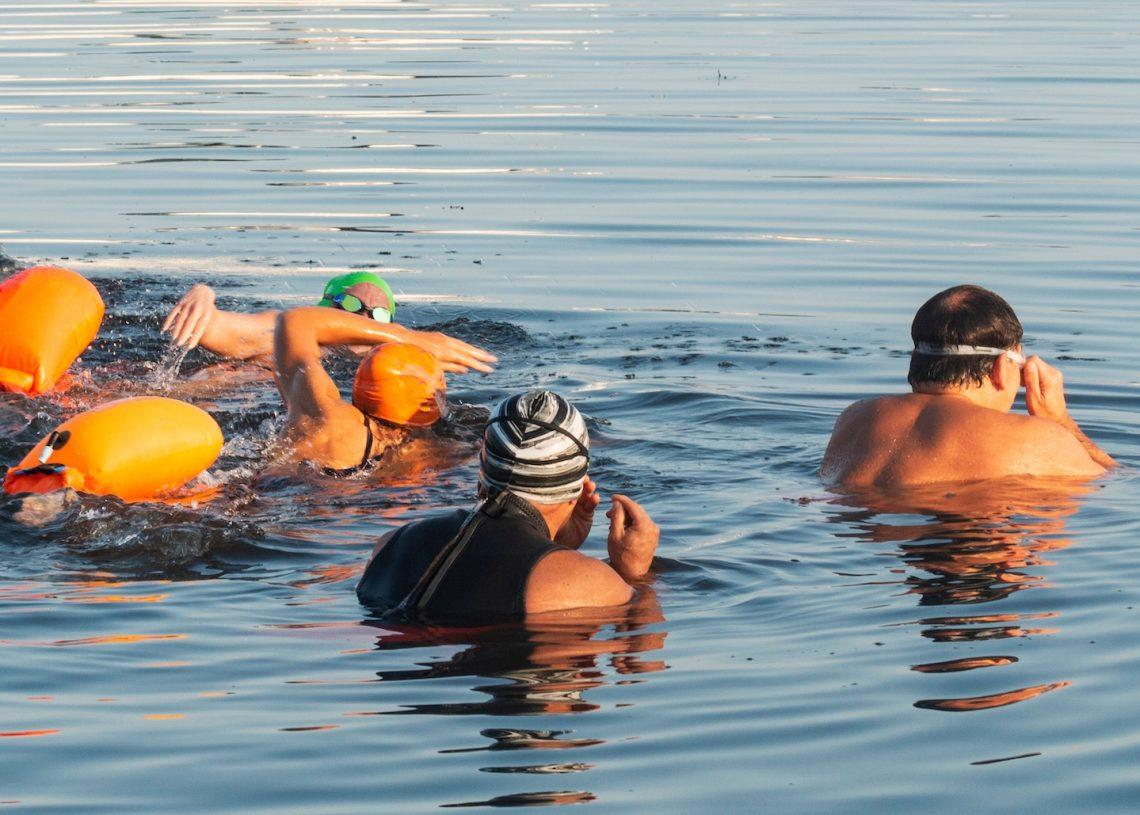
Swimming activates multiple muscle groups simultaneously helping to stabilise joints and reduce everyday strain from walking, climbing stairs or standing for long periods. Even light swimming sessions or water aerobics classes can contribute to better physical function over time. It’s also great for beginners and regulars alike as it can be adapted to suit different ages, fitness levels and abilities.
If you’re just starting out, try Julie’s top tips to increase your confidence in the water and make swimming a part of your weekly routine.
- It starts with the basics: “For beginners, I’d always encourage people to book some swimming lessons to learn the correct form and breathing. This can really help to improve technique and allow you to swim for longer and more confidently.”
- Consistency is key: “Consistency is far more important than intensity. For most people, swimming two times per week for around 20 minutes is enough to begin noticing benefits in energy levels, fitness and mobility. As confidence and stamina improve, sessions can gradually increase to 30 minutes and, if you feel comfortable with that duration you may choose to swim more frequently. The key is to listen to your body to ensure swimming feels sustainable and enjoyable long-term.”
- Support your stroke with a supplement: “Maintaining and supporting your long-term joint health should also be a priority when starting any new sport. Form choice is important, with backstroke or front crawl often gentler on the joints than breaststroke. As well as this, complementing your routine with a supplement can be of great benefit. Omega-3s are a great option, while naturally sourced supplements such as GOPO® Joint Health made from rose-hip extract, may help to support healthy and flexible joints.*”
GOPO® Joint Health contains specially cultivated naturally sourced rose-hip with a uniquely high level of GOPO®. Long-standing research projects have focused on rose-hip with a high level of GOPO®. Rose-hip may play a valuable role in the maintenance of joints and joint tissues.*
GOPO® Joint Health is available from Boots, Amazon, Holland and Barrett, Pharmacy2U and independent chemists and retailers nationwide. Visit gopo.co.uk for further information.
*Rose-hips help maintain healthy and flexible joints. Vitamin C contributes to normal collagen formation for the normal function of bones and cartilage. Vitamin C contributes to normal energy-yielding metabolism and the normal function of the immune system. Food supplements should not be used as a substitute for a varied diet and healthy lifestyle.

Outdoor Swimmer
Outdoor Swimmer is the magazine for outdoor swimmers by outdoor swimmers. We write about fabulous wild swimming locations, amazing swim challenges, swim training advice and swimming gear reviews.