

Shoulders fit for swimming
Efficient swimmers need strong, mobile shoulders, says personal instructor Liz Lowe
Efficient swimmers need strong, mobile shoulders and there are three key areas we can focus on to keep them healthy.
- The shoulder joint (glenohumeral joint)
This ball-and-socket joint connects the upper arm bone (humerus) to the shoulder girdle and is designed to move in all directions. Mobility here is essential for swimming strokes, but can come at the cost of stability, so building strength and control is also important.
- The thoracic spine (mid to upper back)
This should be the most mobile section of the back, allowing for flexion (bending forwards), spinal extension (bending backwards), lateral flexion (side bending) and rotation. Common postural issues – for example ‘forward head’ posture from prolonged screen time – can lead to stiffness and weakness in this area. Limited mobility in the thoracic spine can prevent the shoulder joint and shoulder blades from moving as they are designed to.
- The scapulae (shoulder blades)
Designed to move up (elevation), down (depression), forwards (protraction) and back (retraction) the shoulder blades are fundamental in shoulder function. Restrictions here limit shoulder mobility and can contribute to pain or injury. Tightness, weakness or an impingement in one area of the body often negatively impacts other areas. For example – weak core muscles can affect posture, which can contribute to tightness in the upper back, which then restricts shoulder and scapula movement.
With all these areas, building mobility, stability and strength (in that order) will pay dividends when it comes to swimming performance and shoulder health.
A great place to start, from a mobility perspective, is with CARS (Controlled Articular Rotations). While these slow, controlled movements won’t build strength, they are excellent for improving joint awareness and maintaining mobility.
Shoulder CARS
Stand upright, next to a wall or post if needed to prevent compensation coming from the hips. Raise one arm forward, then up overhead, and continue the movement as you rotate the arm and bring it down behind you to your side. Reverse the direction. Repeat several times each side.
Scapular CARS
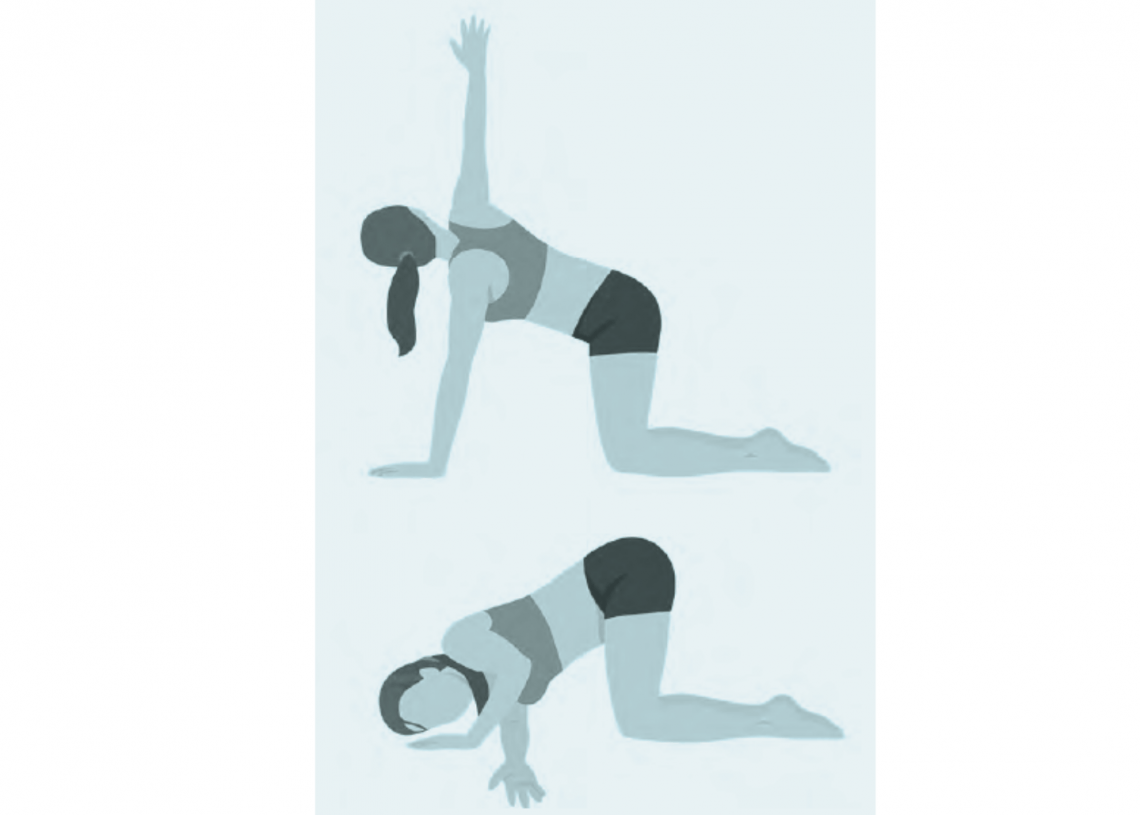
Move your shoulder blades in a full circle: up (elevate), back (retract), down (depress), and forward (protract). Then reverse the motion. Do this standing or on all fours, repeating several times with control. Thoracic mobility Include exercises like Cat Cow to mobilise the spine through flexion and extension, and Thread the Needle to improve thoracic rotation – both are brilliant for swimmers.

Outdoor Swimmer
Outdoor Swimmer is the magazine for outdoor swimmers by outdoor swimmers. We write about fabulous wild swimming locations, amazing swim challenges, swim training advice and swimming gear reviews.