


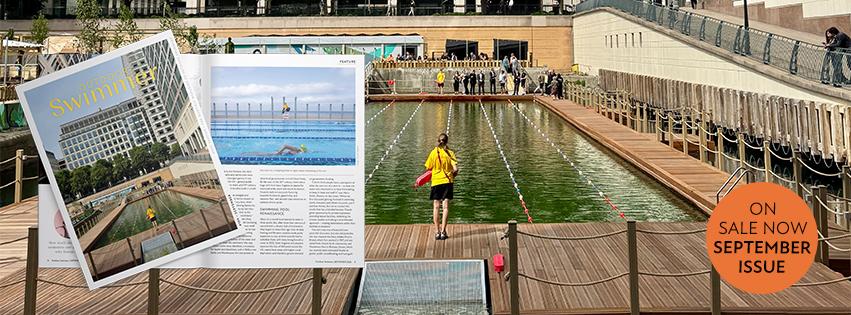
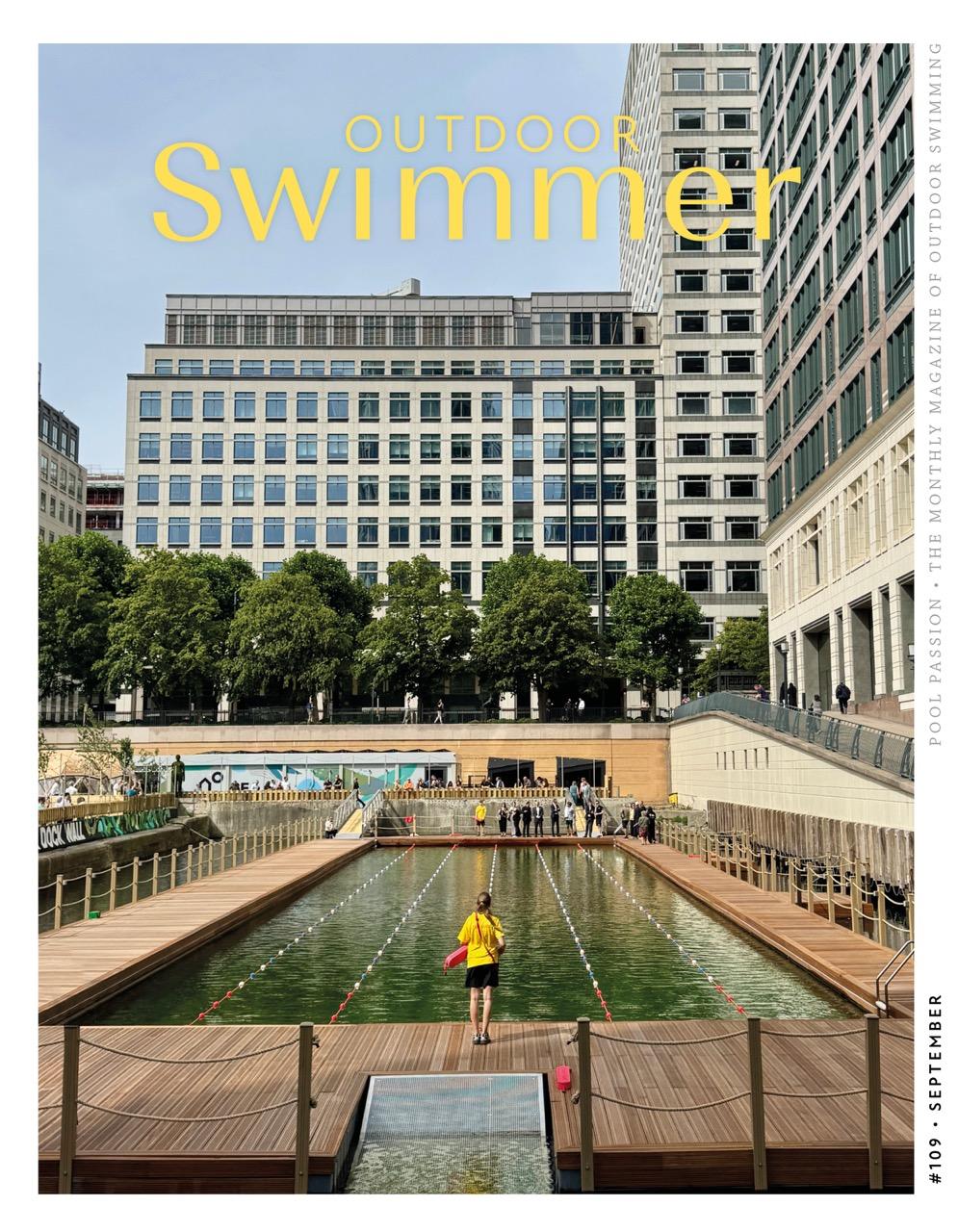
September 2026 ‘Pool Passion’
Outdoor Swimmer Extra: Get the best of Outdoor Swimmer magazine online
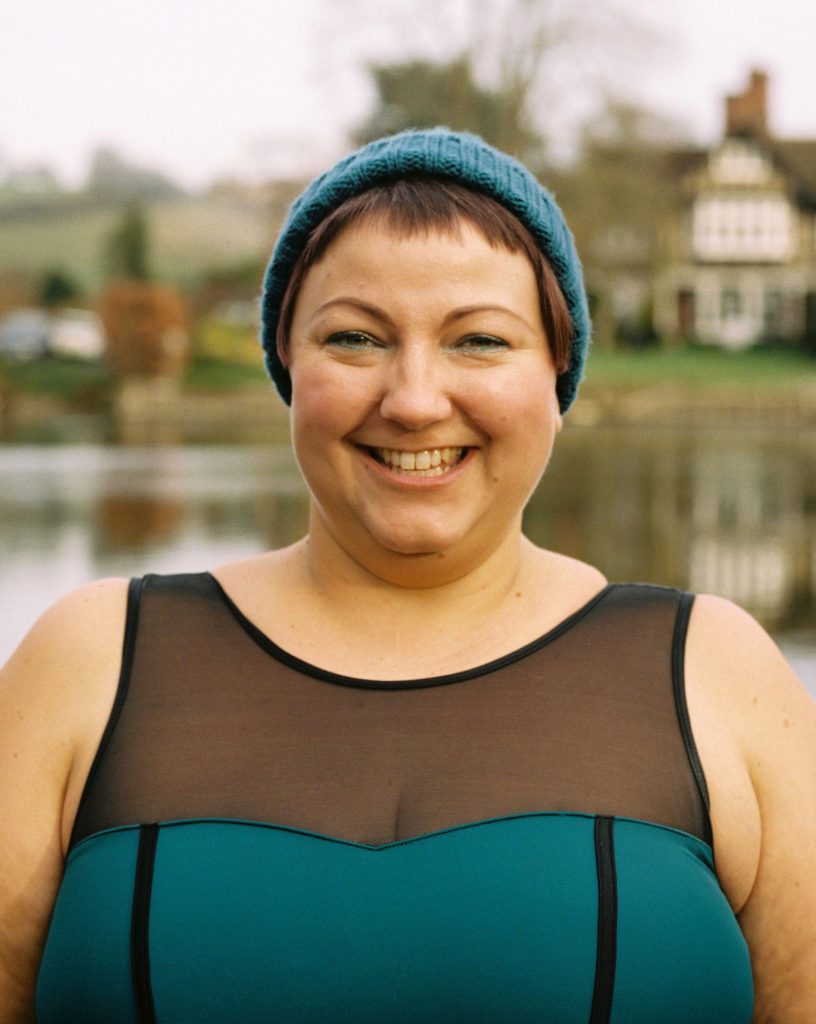
This month, a reader challenged me. Why does a magazine about outdoor swimming cover so much pool content? Shouldn’t we just focus on wild swimming?
It’s a fair question, and I’m always glad to hear from our subscribers, even when they disagree with me. But here’s the thing: we owe a huge amount of our outdoor swimming to time spent in pools. So many of our swim journeys start there, in a controlled environment where we can see the bottom and hang on to the side when we need to. And beyond that first splash, there are outdoor pools we love regardless of how we feel about wild water.
It felt narrow to think of outdoor swimming as one single thing, as only ever a wild experience. Yes, “pool” can mean an indoor leisure centre and a floating plaster. But it can also mean a tidal pool carved out by the ocean, remote and private. It can be a curve in a river bend, or a hollow between rocks on a rushing young stream. Lidos and outdoor pools are a huge part of our swimming history here in the UK, and more unique swimming spaces keep appearing in places where wild water simply isn’t on offer, the new pool at Canary Wharf being a great example. Not everyone is lucky enough to live by a beach, or in a country where rivers, lakes and ponds are free and easy to reach.
I love outdoor swimming, and yes, I’d choose it over a pool tank most days. But why does it have to be one or the other? If we love the water, surely, we love all its wild ways of holding us, tank included.
So, this issue probably won’t be a favourite for that reader. But I think it tells a good story: how pool swimming has changed and evolved over the decades, how we drifted from wild water into leisure centres in the 80s, and how we’re now finding our way back out to sea pools and lidos too.
I’ve loved reading everyone’s pool tales and passion for this issue. It’s a place many of us, myself included, are quietly grateful for. Here’s hoping we keep our pools open for many more swimmers to come.
Ella Foote, Editor
Sign up or log in to read Outdoor Swimmer Extra.
Read the September 2026 issue in full in flipbook format
Existing print subscribers have free access to the digital edition of Outdoor Swimmer on PocketMags. This includes all the content from Outdoor Swimmer Extra. See here for access instructions.
- Trunks vs jammers
 A body hugging streamlined fit or more modest comfort beside the pool – a round up of the latest men’s swimwear
 - Hiking kit
 Versatile, breathable and lightweight hiking kit for wild swimmers
 - What to look for in swimwear materials
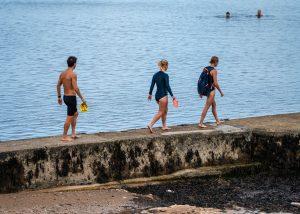 We asked the experts at Zone3 to share their insights on high-performance swimwear fabrics. From chlorine resistance and shape retention to special coatings, what should we look for in swimwear?
 - Outdoor cooking kit
 Create a simple, packable outdoor cooking kit for impromptu beach BBQs and post-swim cook ups
 - Going against the Flow in France
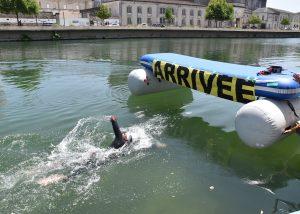 Le Flow des Gabarriers, an incredible 33km journey down the River Charente in Southwestern France, is a highlight of Ben Lane’s year so far, even though he didn’t finish the swim
 - Swim your own swim: Meet Moody Mermaids founder Vicky Staple
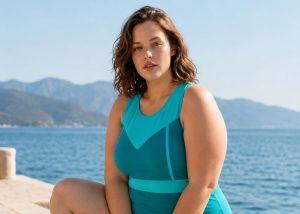 Moody Mermaids was born out of the idea that you are only a swim away from a good mood, says founder Vicky Staple
 - From weirdos to a way of life
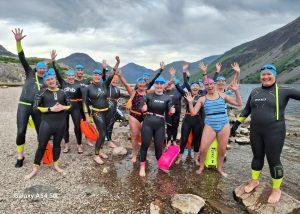 A lot has changed in 21 years, especially in the swimming industry. Andrea and Pete Kelly, who run Swim the Lakes in the Lake District, celebrate their 21st business birthday this year. Here, Pete reflects on their work and how open water swimming has changed
 - Finding a wild pool
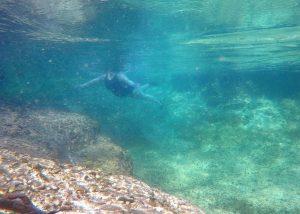 The best swimming spots aren’t always marked on a map. Learn how to read the river, seek out hidden pools and experience the changing season from the water.
 - Squats: A fundamental movement for life
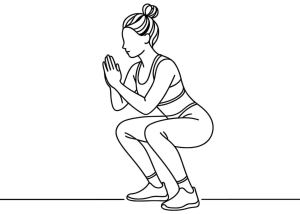 Squats aren’t just for the gym. This simple, fundamental movement can build lower-body strength, power and mobility, helping you swim stronger and stay confident on your feet both in and out of the water.
 - Round the river bend at Vansbrosimningen
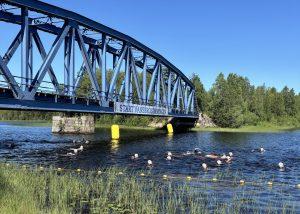 Rowan Clarke battles wardrobe malfunctions and upriver swimming at Sweden’s oldest swimming festival
 - Back to Bantham: rediscovering the joy of event swimming
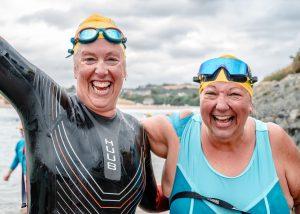 After spending years volunteering for the Outdoor Swimming Society’s Bantham Swoosh, Ella Foote returned to Bantham to take part in Level Water’s Batham Boomerang and was reminded of the joy that comes from event swimming
 - Lev Goldberg conquers second of North America’s Great Lakes in historic quest
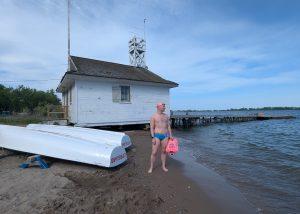 The five North American Great Lakes – Superior, Huron, Michigan, Erie and Ontario – comprise the largest group of freshwater lakes on Earth and Lev Goldberg is determined to swim each one, Margaret Hetherman reports
 - Brightlingsea: my local lido
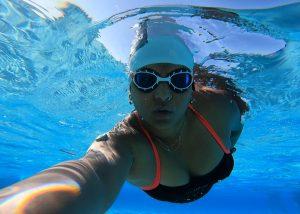 Jharna Kumawat didn’t realise how valued a local lido could be until she discovered the community behind it
 - One man and his tow float
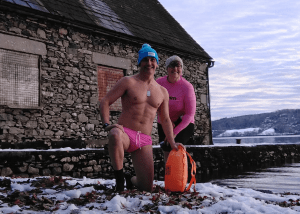 Dr Mark Christie is a Senior Lecturer of Sport and Physical Activity Development at University of Cumbria; his professional career is vast. This summer he published his new book, One Man and His Tow Float: Stories, Science and the Joy of Open Water Swimming, which pulls together his work and experiences from the swimming community.
 - My summer of lidos
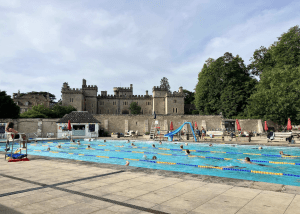 A regular at Parliament Hill Lido, Sally Goble loves a pool. This summer, she embarked on a personal challenge – to swim in every single publicly accessible lido in the UK – with some sea pools thrown in for good measure.
 - King of the Thames: a classic river swim gets a fresh twist
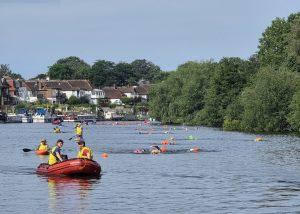 Simon Griffiths takes to the Thames to experience SwimQuest’s new 3km swim from Hampton Court to Kingston
 - Beyond the pool: why strength training matters for swimmers
 Why the swimming pool is the ultimate training environment – and why the gym should be part of every swimmer’s journey
 - How pool swimming can make you a better open water swimmer
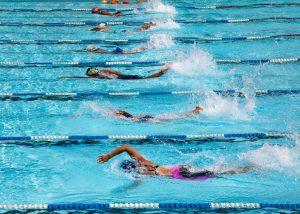 Olympic swimmer Alice Dearing shares what can be gained in open water from work in the pool
 - How to choose a shoulder season suit
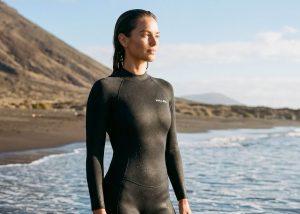 Core warmth, swim-specific design and flexibility for a natural, unrestricted stroke: Olivier Wallien, from Dutch water ware brand WALLIEN, explains what to look for in a shoulder season suit
 - It’s Swimple: opening up private water to everyone
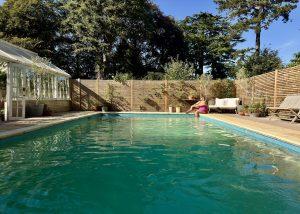 Wouldn’t it be great to be able to rent a private pool like you rent private accommodation through Airbnb? Ella Foote chats to the founders of Swimple, the Airbnb for swimming pools, and discovers a stunning pool with Victorian greenhouse in an ancient woodland
 - Fastest man in the pool
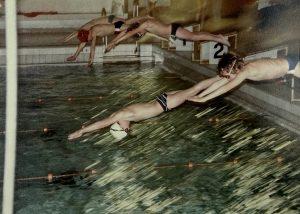 He’s one of Britain’s greatest sprinters but put him in open water and Mark Foster admits that without a pool tank or lane ropes his mind immediately thinks about Jaws. Ella Foote talks to him about luck, humility, and finally telling his whole story
 - London’s cool new pool
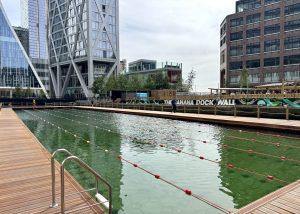 Earlier this summer, before the heatwaves and hosepipe bans, Sea Lanes opened a cool new pool tucked into Canary Wharf, fed by underground springs. Ella Foote chats to Operations Director Helen Bull and Marketing Director Harry Smith to find out how London’s newest swimming offer is taking off.
 - Why swimming pools matter to outdoor swimming
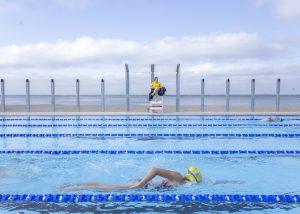 As public swimming pools face rising costs, closures and dwindling investment, communities are fighting to save them. Rowan Clarke explores why pools are so important to outdoor swimming – from teaching water safety and building confidence to creating accessible routes into open water and bringing communities together.
 - Learning to love the pool
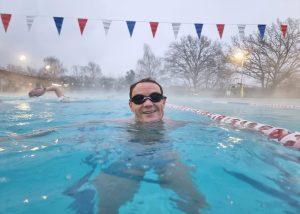 There are plenty of benefits to pool swimming, but learning to love it can be a challenge, says Simon Griffiths
 - Lidos: where outdoor swimming meets accessibility
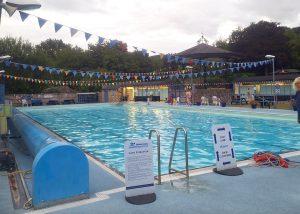 Two historic lidos in Derbyshire offer the perfect compromise between pool training and open-water swimming – and provide some valuable lessons in accessibility along the way


